
For buyers, investors and professionals choosing an address in Kota Kinabalu, airport access is not a minor detail. The question, how far is Luyang from KKIA, goes directly to how practical a location feels for weekday commuting, visiting clients, family travel and the everyday rhythm of an urban lifestyle.
Luyang sits within a well-established central corridor of Kota Kinabalu, while Kota Kinabalu International Airport, widely known as KKIA, is located south-west of the city centre. The two are close enough to make airport journeys straightforward, without placing residents in the immediate flight-path environment that some buyers prefer to avoid.
How Far Is Luyang from KKIA?
By road, Luyang is typically around 6 to 8 kilometres from KKIA, depending on the exact starting point within the neighbourhood and the route taken. For many addresses in and around Luyang, the drive commonly takes 15 to 20 minutes in lighter traffic.
At busier times, especially during the morning and evening peak, allow closer to 25 to 35 minutes. Kota Kinabalu’s road conditions can change quickly with rain, school runs, holiday traffic and activity around key junctions, so the most useful way to judge the journey is by time rather than kilometres alone.
For a central urban address, that is a compelling balance. It means an early flight need not involve a long pre-dawn journey, while arriving guests can reach Luyang without the extended transfer associated with locations farther north, east or outside the city’s core catchment.
The route matters as much as the distance
Most journeys between Luyang and KKIA use the major city roads connecting the Luyang, Kepayan and airport areas. The precise route can vary according to traffic, with navigation apps often directing motorists through alternative local roads where appropriate.
This is why two residents leaving from the same neighbourhood may quote slightly different travel times. A weekday journey at 7.45am is not comparable to a late-evening drive, and a rainstorm can add meaningful time to what is otherwise a short cross-city connection. Those who travel frequently should test the route at the time they would genuinely use it before making a purchase decision.
What the Journey Means for Daily Life
Airport proximity is often discussed as a convenience for holidays. In a city like Kota Kinabalu, its value reaches further. Sabah is a major business, tourism and government centre, so regular movement between the airport, offices, hotels, homes and client meetings is part of the city’s commercial landscape.
For working professionals, a 15 to 20-minute off-peak drive can make same-day business travel more manageable. An early departure may still require planning, but it does not demand a remote-location lifestyle trade-off. For business owners, the ability to receive visiting partners and reach the airport with relative ease can support a more efficient working week.
Families benefit differently. Parents collecting relatives, travelling during school breaks or managing airport transfers for older family members can do so with less time spent on the road. The convenience is quiet rather than showy, yet it has lasting value when it becomes part of normal life.
For investors, the airport connection can strengthen an address’s appeal to tenants who work in the city, travel for business or prefer a residence that is practical for visiting friends and family. It is not a guarantee of rental performance on its own. Unit quality, management, parking, nearby amenities and prevailing market demand remain decisive. But strong airport access is a meaningful part of a well-rounded central-location proposition.
Luyang’s Advantage Is More Than an Airport Drive
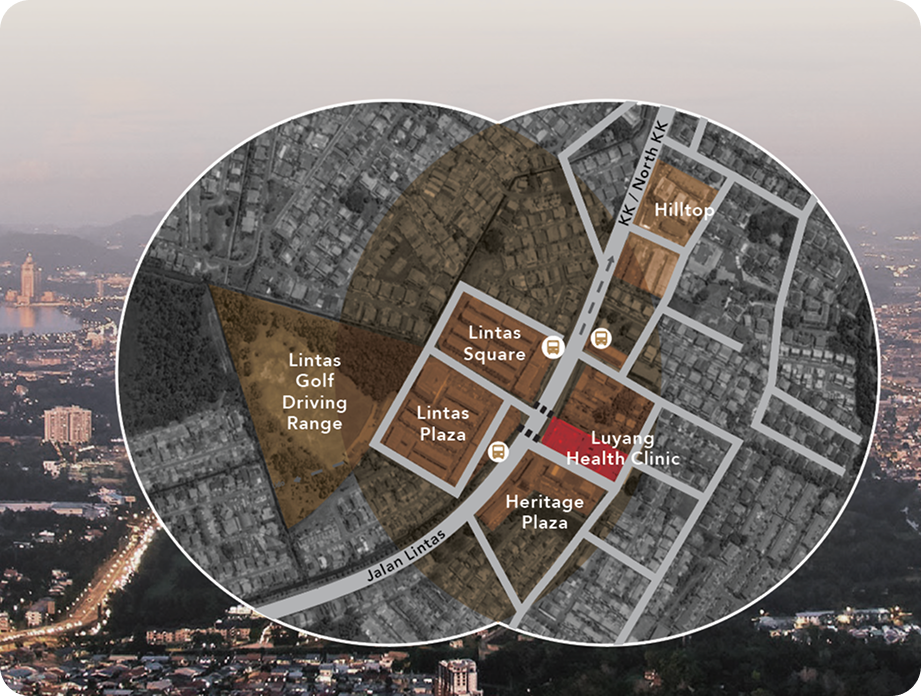
A location should not be judged only by the time needed to leave it. Luyang’s appeal lies in its ability to connect residents to several important parts of Kota Kinabalu from one established address.
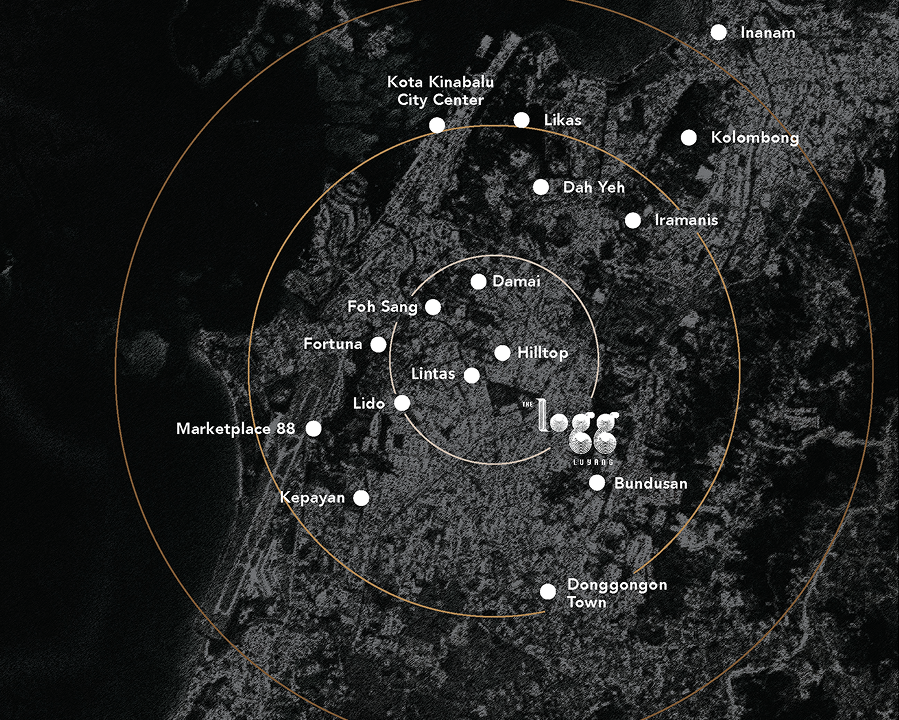
The city centre is readily accessible for work, shopping and waterfront dining, while medical facilities, schools, everyday services and commercial districts are within the wider surrounding catchment. Kepayan, Bukit Padang and other established city neighbourhoods are also close by. This makes Luyang a practical choice for people whose routines are spread across Kota Kinabalu rather than concentrated in a single precinct.
That centrality creates a distinct proposition. A home close to KKIA may be convenient for flights but feel removed from the city. A city-centre address may place retail and offices on the doorstep but lengthen the airport transfer. Luyang sits between these priorities, offering a connected position that supports both urban living and outward travel.
A Practical Guide for Airport Transfers
For most travellers, a private car, e-hailing service or pre-arranged hotel transfer will be the simplest option between Luyang and KKIA. The journey is short enough that e-hailing is often attractive, particularly for solo travellers or couples with manageable luggage. Families, groups and those carrying large bags may find a private vehicle more comfortable.
If you are driving yourself, parking arrangements at the airport should be considered in advance, especially during school holidays and festive periods. If you are booking a ride, allow a little additional time for vehicle collection from a high-rise residence or a busy mixed-use destination. The road journey may be brief, but lift waiting times, rain and luggage loading can all affect the real door-to-terminal experience.
For international flights, arriving well ahead of departure remains sensible. The short drive from Luyang is an advantage, not a reason to compress check-in, baggage-drop and security time. Travellers with early morning flights should also confirm ride availability the night before, particularly during major public holidays.
Peak-hour and weather considerations
Kota Kinabalu’s afternoon rain can be intense, and wet roads often affect travel speeds. Traffic may also build around school dismissal periods and on routes leading towards key retail and business areas. If a flight falls between late afternoon and early evening, a larger time buffer is prudent.
Conversely, mid-morning, early afternoon and later evening journeys are often more predictable. This distinction matters for residents who travel often: proximity is valuable, but reliable planning is what turns proximity into genuine convenience.
Why Connectivity Supports Long-Term Property Value
When assessing a residential or commercial property, connectivity is rarely one feature among many. It influences who will consider the address, how frequently they can use it and how well it fits changing life stages.
A young professional may initially value the time saved on a work commute. Later, the same address may appeal because it simplifies family logistics, supports business travel or places visiting relatives within easy reach. For an investor, this breadth of relevance can be more resilient than a location built around one narrow demand driver.
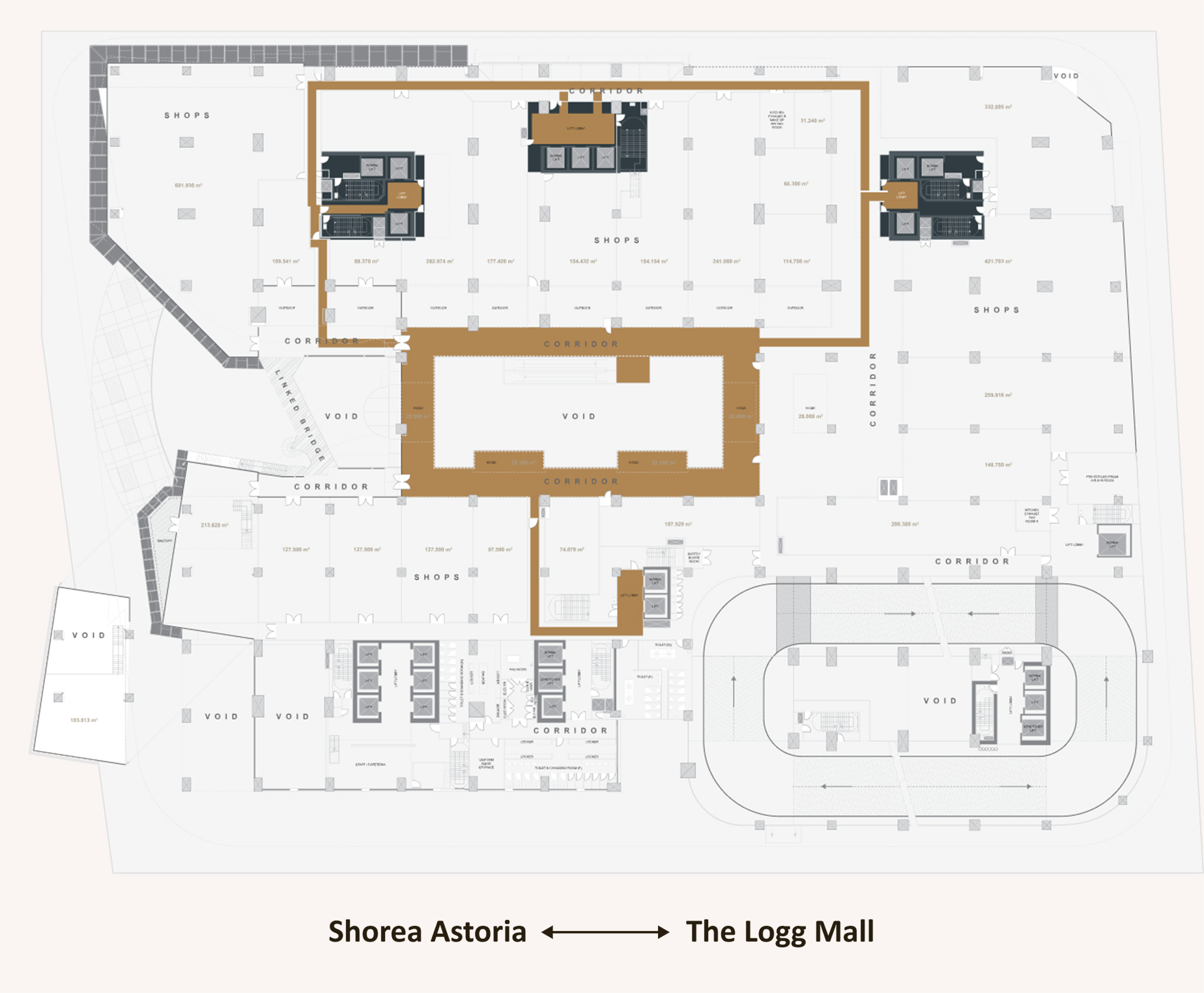
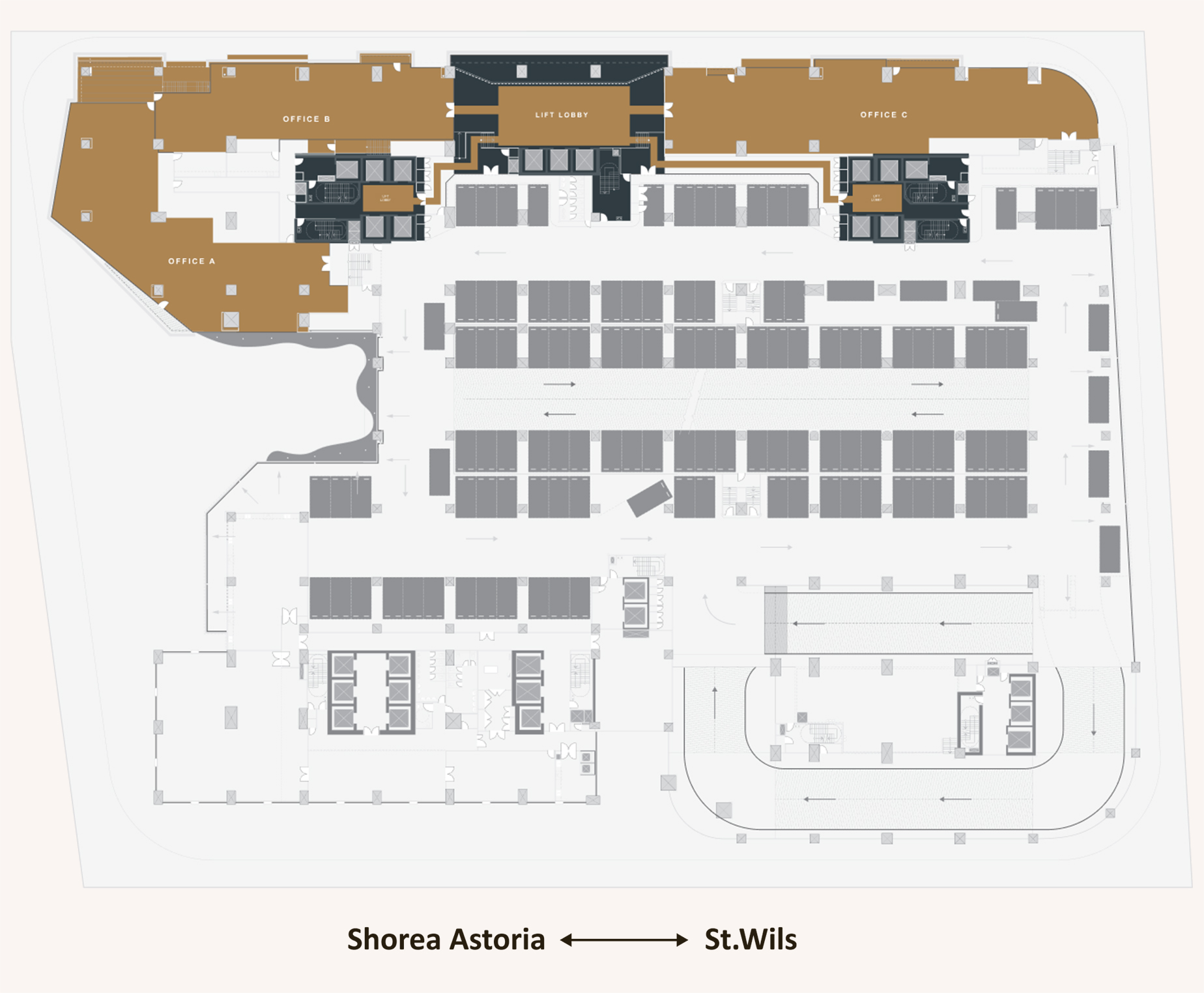
Integrated developments can add another layer of practicality. At The Logg, Luyang’s central setting is paired with residences, executive suites, premium offices, lifestyle retail, dining, parking and a four-star Avani hotel within one connected destination. That combination is particularly relevant for professionals and owners who value an address where meetings, accommodation, daily errands and home life do not require repeated journeys across the city.
The airport remains only one part of the picture, but it is an important one. A resident can leave for a flight without sacrificing access to the city centre, while an executive can meet a visitor staying nearby and still maintain a practical link to KKIA.
Is Luyang a Good Location for Frequent Flyers?
For frequent flyers, Luyang is one of Kota Kinabalu’s more sensible central choices. It is not directly beside the terminal, and buyers seeking the absolute shortest airport transfer may favour areas closer to Tanjung Aru or Kepayan. However, those locations may offer a different mix of city access, neighbourhood character and daily amenities.
Luyang’s strength is its balance. The airport is close enough for convenient transfers, yet the address remains embedded in an active urban network of workplaces, homes, services and leisure. For many purchasers, that wider convenience matters more than saving a few additional minutes on an occasional flight.
Before committing to any property, make the journey yourself at the times that reflect your lifestyle. Drive to KKIA before an early departure, try the evening route after work, and consider how the trip feels in wet weather. The right address is not simply the one nearest the airport, but the one that gives every part of your Kota Kinabalu life more room to move.