
A property can look compelling at a viewing yet prove difficult to hold, rent or resell if the everyday fundamentals are weak. This property investment guide is designed for buyers who want to look beyond finishes and floor plans, and assess what creates enduring value in Kota Kinabalu: a connected address, real demand, sensible ownership costs and a lifestyle that remains relevant long after handover.
For many buyers, the strongest opportunity is not simply a home near the city. It is a property that makes the working week, family time and travel arrangements easier, while sitting within a location that tenants and future purchasers can understand immediately. That distinction matters when choosing between an isolated high-rise and a considered urban destination.
Start with the purpose of your investment
The right property depends on the role it is expected to play. An owner-occupier may prioritise privacy, security, practical layouts and a shorter commute. An investor may focus more closely on tenant appeal, management quality and the depth of the local rental market. A buyer seeking a second home may place greater weight on access to the airport, hospitality, dining and the ease of arriving without extensive planning.
These aims can overlap, but they should not be treated as identical. A compact residence close to workplaces and lifestyle amenities may appeal strongly to young professionals and business travellers. A larger layout with room for daily routines may better suit couples and families. Define the likely occupant before assessing a unit, because demand is always more meaningful when it is specific.
It also helps to decide whether the property should deliver income, capital preservation, lifestyle value or a balanced combination of all three. A clear brief makes it easier to decline attractive-looking options that do not fit your actual strategy.
Location is more than a postcode
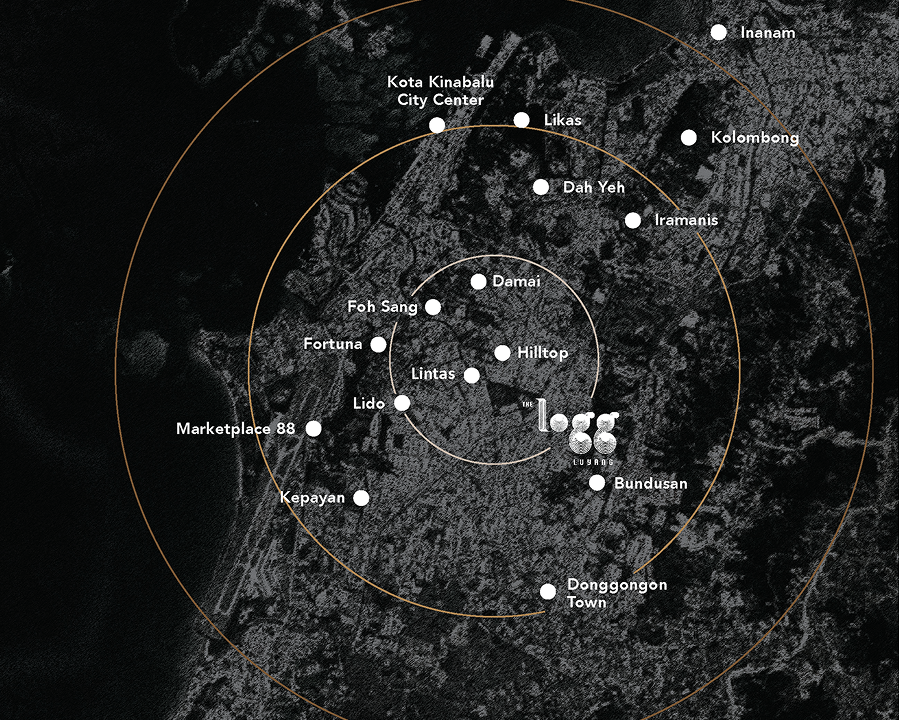
A well-known address has value, but daily connectivity is what sustains it. Consider how quickly residents can reach employment districts, healthcare, schools, supermarkets, recreation and the airport. In a growing city, time saved travelling is not merely a convenience. It influences where people choose to live, how long they stay, and what they are prepared to pay for practical access.
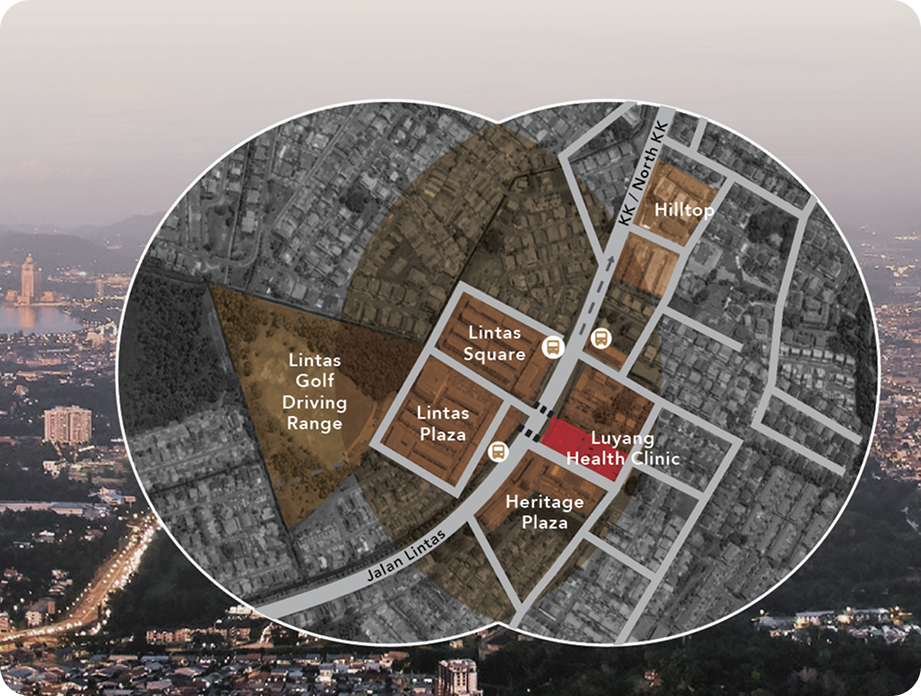
Luyang is particularly worth assessing through this lens. Its central position can reduce the friction between home, work and the wider city, while offering access to established neighbourhood facilities. For professionals, entrepreneurs and families, this is a practical advantage rather than a marketing line.
Look beyond the route on a map. Visit at different times of day and observe traffic flow, pedestrian access, drop-off arrangements and the quality of surrounding streets. A location may be close in distance but inconvenient in practice. Conversely, a development designed around direct access, ample parking and a clear arrival experience can make urban living feel notably more composed.
Assess the neighbourhood’s direction
Property values are shaped by what a district is becoming as well as what it is today. Look for signs of sustained confidence: improving infrastructure, reputable commercial activity, new hospitality, a growing professional catchment and services that support long-term residents.
Be cautious of relying on a single future announcement. A more resilient case is built on several demand drivers already in place. An area with workplaces, education, medical facilities, leisure and transport links serves a wider pool of occupiers than one dependent on one visitor season or one employer.
Choose demand over spectacle
An impressive lobby or striking façade can create an excellent first impression. However, investment performance depends on whether the property answers everyday needs. Buyers and tenants consistently value a functional kitchen, useful storage, natural light, reliable lifts, well-managed common areas and layouts that allow furniture to work comfortably.
For high-rise residences, floor area alone does not determine liveability. Examine the proportion of space lost to corridors, whether bedrooms have usable wall lengths, and how the living area accommodates dining, work and rest. A carefully planned 620 sq ft residence can feel more effective than a larger home with awkward circulation.
The same principle applies to facilities. Premium facilities should support a real routine rather than exist only for a brochure. Fitness spaces, landscaped areas, meeting zones, retail convenience and secure parking have stronger value when residents can use them naturally throughout the week.
Why integrated developments deserve closer attention
A standalone condominium can be an excellent purchase, especially when its location and management are strong. Yet integrated developments offer a different proposition: they bring residences, offices, retail, dining, accommodation and amenities into one coordinated environment.
For residents, this can mean less time spent travelling for a coffee meeting, a meal, a work errand or visiting guests. For investors, it can broaden the profile of potential occupants. Professionals may value proximity to offices; visiting executives may appreciate nearby hotel accommodation; families may prefer having everyday services close at hand. The benefit is not that every resident uses every component every day. It is that the destination remains useful to more people in more circumstances.
This model requires scrutiny too. Ask how the residential, commercial and hospitality elements are managed, whether access routes are well separated, and how parking is planned for residents and visitors. The most successful mixed-use destinations feel active without compromising the privacy and security expected at home.
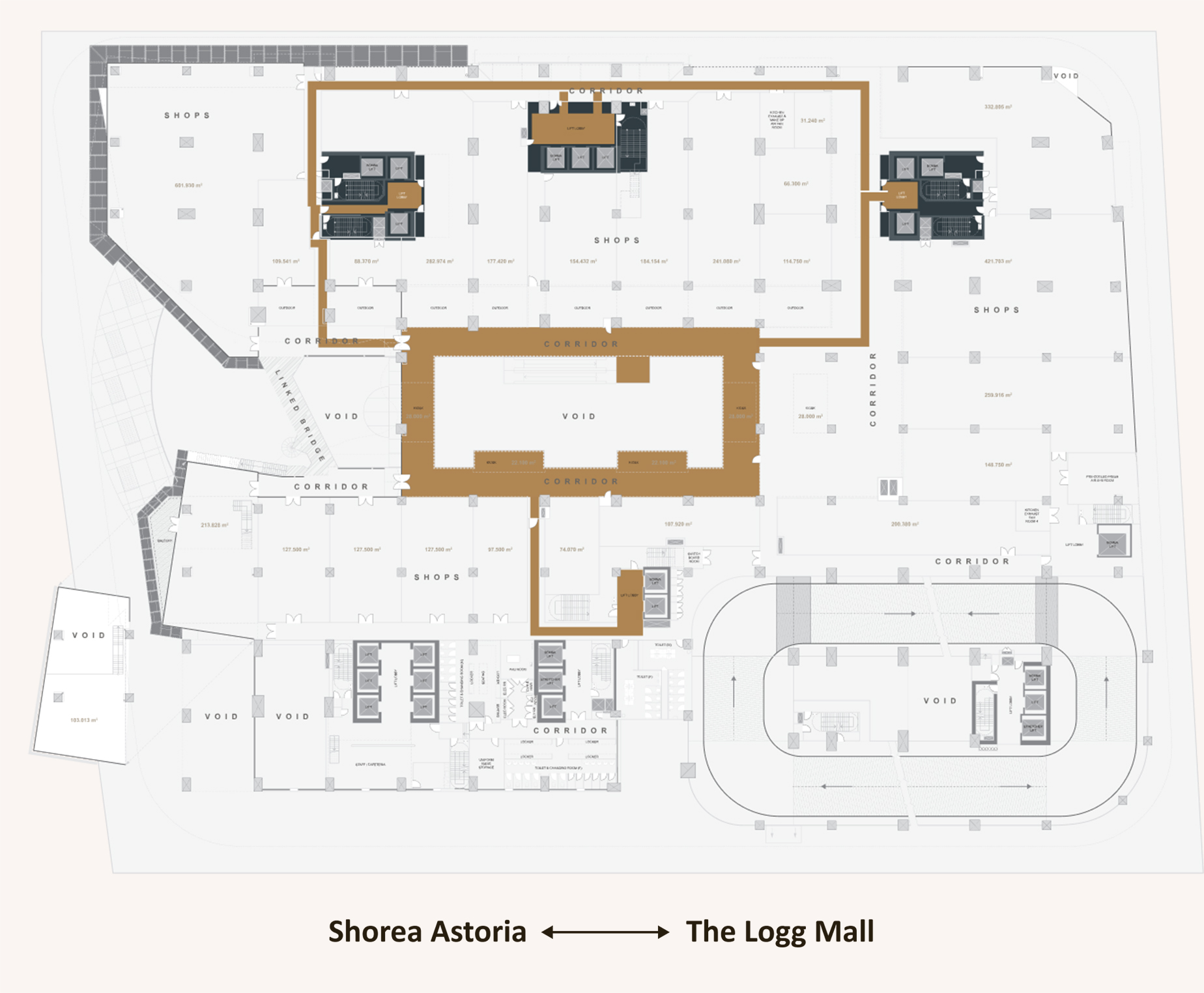
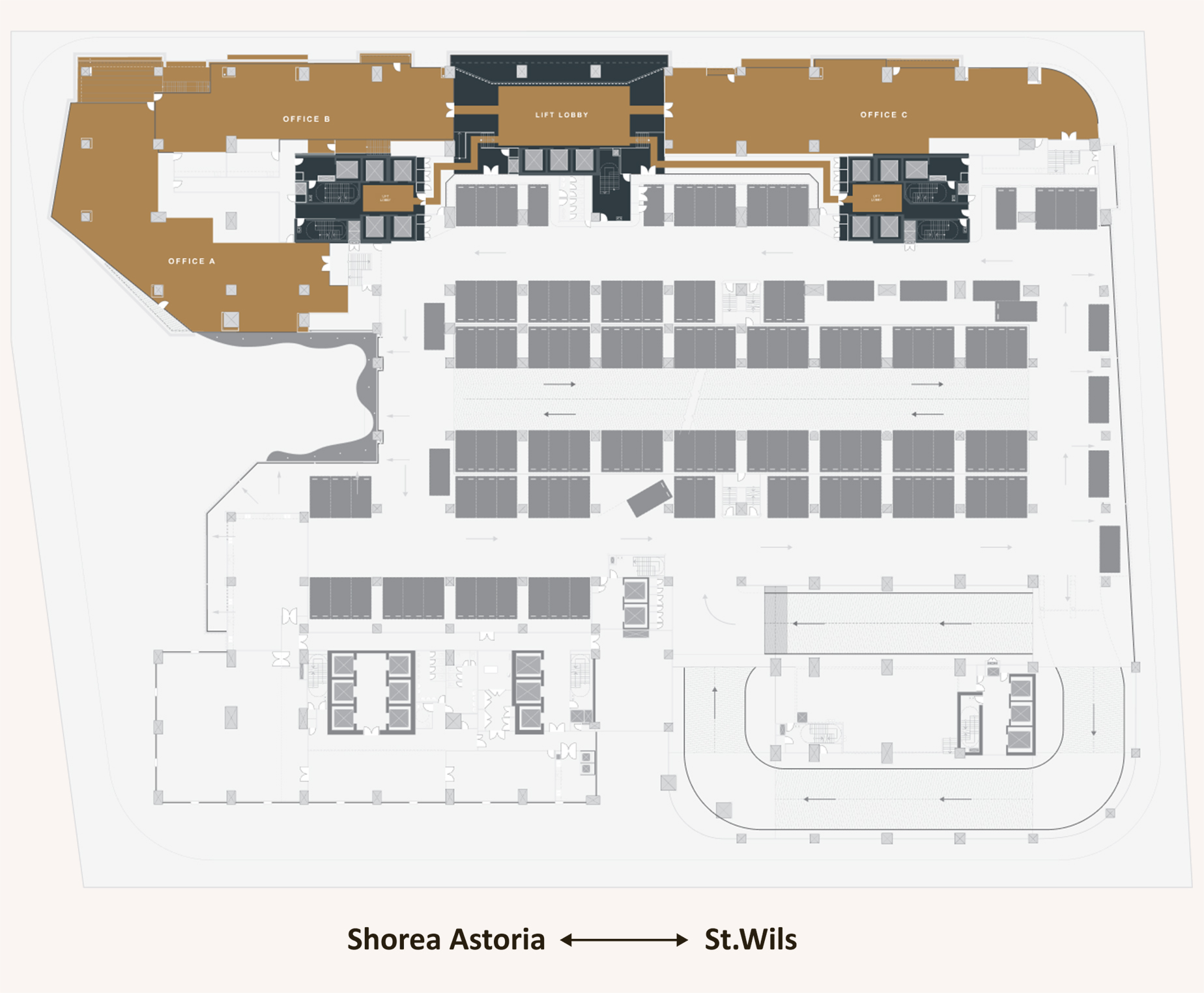
The Logg reflects this direction in Luyang, bringing residential towers, executive suites, premium offices, lifestyle retail and an Avani hotel together in a connected setting. For a buyer, the relevant question is not simply whether the development is large. It is whether the combination of uses creates genuine, repeatable convenience.
Read the numbers behind the property
A disciplined investment decision needs more than an expected monthly rent. Build a realistic ownership picture that includes maintenance charges, sinking fund contributions, assessment and quit rent, insurance, furnishing, repairs, management fees and periods when the unit may be unoccupied.
Rental yield is useful, but it should be viewed alongside the property’s likely holding period, tenant turnover and future resale market. A residence with a slightly lower initial yield may still be the stronger choice if it attracts more stable demand and has a clear advantage in location or daily convenience.
Avoid treating optimistic rental projections as a certainty. Ask what comparable units have actually achieved, how long they remained advertised and whether the proposed tenant profile is credible for the size, furnishing standard and location. If possible, examine more than one source of market evidence. The aim is to understand the range of outcomes, not just the most favourable one.
Plan for the quieter periods
Every market has changes in demand. A prudent buyer can continue holding the property when letting takes longer than expected or when a refresh is needed between tenancies. Keep a contingency reserve and avoid basing affordability on full occupancy from the first month.
This does not mean assuming the worst. It means giving the investment room to perform on sensible assumptions. Financial flexibility allows an owner to choose tenants carefully, maintain the home properly and sell only when the timing is right.
Management is part of the asset
In strata living, management quality can protect or erode value over time. Clean common areas, functioning security systems, responsive maintenance and transparent communication affect resident satisfaction directly. They also shape what prospective purchasers see when they arrive for a viewing.
Before committing, review the developer’s track record where available and ask practical questions about building operations. How will security be managed? What are the procedures for deliveries, visitors and short-term occupancies? How are shared facilities maintained? A premium address needs standards that remain visible after the launch period.
For investors, clear rules also matter. A building that balances owner interests with reasonable rental procedures is often better positioned for long-term stability than one with vague or inconsistently applied policies.
A property investment guide for a confident decision
The best purchase is rarely the one with the loudest promise. It is the one where location, layout, management and demand reinforce one another. Take time to walk the neighbourhood, study the holding costs, picture the daily experience and test the investment case against a conservative scenario.
When a property makes urban life easier for the people most likely to live in it, its appeal has a stronger foundation. That is the quality worth seeking: a home that feels considered on day one and continues to make sense as the city moves forward.