
A morning meeting, a school run, a dinner reservation and an evening walk should not require four separate journeys across the city. For discerning buyers, the best integrated development features are not simply a collection of facilities on a brochure. They are the thoughtful connections that give back time, support wellbeing and make a property more useful every day.
In a growing urban environment such as Kota Kinabalu, an integrated development can offer a more considered alternative to an isolated condominium or a conventional office address. The difference lies in how its residences, workplace, retail, hospitality and public spaces function together. When planned well, each component strengthens the others and creates a destination with lasting relevance.
What Makes an Integrated Development Truly Valuable?
Integration is often mistaken for convenience alone. Certainly, being able to dine, meet clients, collect daily essentials or welcome visiting family close to home changes the rhythm of a day. Yet the stronger proposition is broader: a well-composed mixed-use environment allows residents, professionals and visitors to share an address with purpose, while retaining the privacy and security expected of premium property.
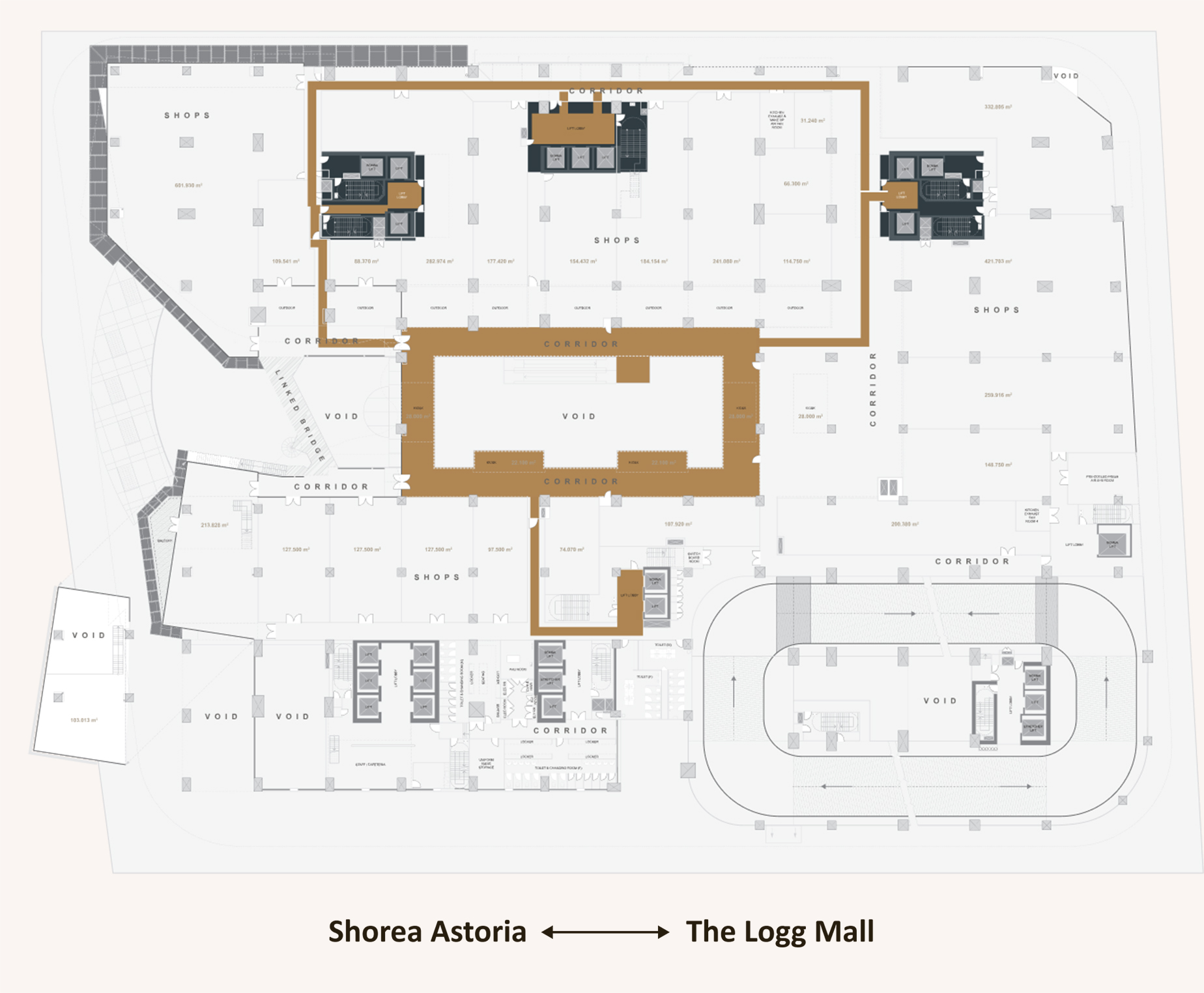
The quality of that connection matters. A development with a shopfront at ground level is not automatically integrated. Buyers should look at whether the spaces are genuinely accessible, whether different uses complement rather than interrupt one another, and whether circulation has been designed around real routines. The aim is not to put everything in one building. It is to remove unnecessary friction from urban life.
For investors, this distinction is equally significant. A destination that attracts office users, hotel guests, residents and lifestyle visitors has several sources of activity throughout the day and week. That diversity can help support commercial appeal and reinforce the character of the wider address over time. It is not a guarantee of performance, but it is a more substantial foundation than relying on a single user group.
The Best Integrated Development Features for Daily Life
Residences designed around real routines
A residence remains the centre of the proposition. Before considering retail or hospitality, assess the home itself: its layout, natural light, storage, privacy, lift access and relationship to shared facilities. Well-proportioned homes provide the calm counterpoint to the energy of a mixed-use setting.
For professionals and families, practical planning is a mark of quality. Space should accommodate work-from-home moments as comfortably as it supports rest and entertaining. Common areas should feel purposeful rather than decorative, with facilities that residents are likely to use regularly. The most considered developments create a clear transition from active public areas to quieter residential zones.
Vertical living also requires careful attention to density. A lively address can be appealing, but buyers should consider the number of residences served by each lift core, the management strategy for peak periods and the placement of visitor access. Privacy and ease of movement are premium features, even when they are not the most photographed.
Offices that put business within reach
A premium office component brings a different kind of value to an integrated development. It creates proximity for entrepreneurs, established businesses and professional teams who want an address that reflects their ambition without being detached from everyday amenities.
The benefit is particularly clear when the workplace is close to dining, meeting venues and quality accommodation. A client arriving for a presentation can move from lobby to meeting room to lunch without an extended transfer. Business owners can host out-of-town colleagues nearby, while residents who work independently can enjoy a more credible and convenient professional base.
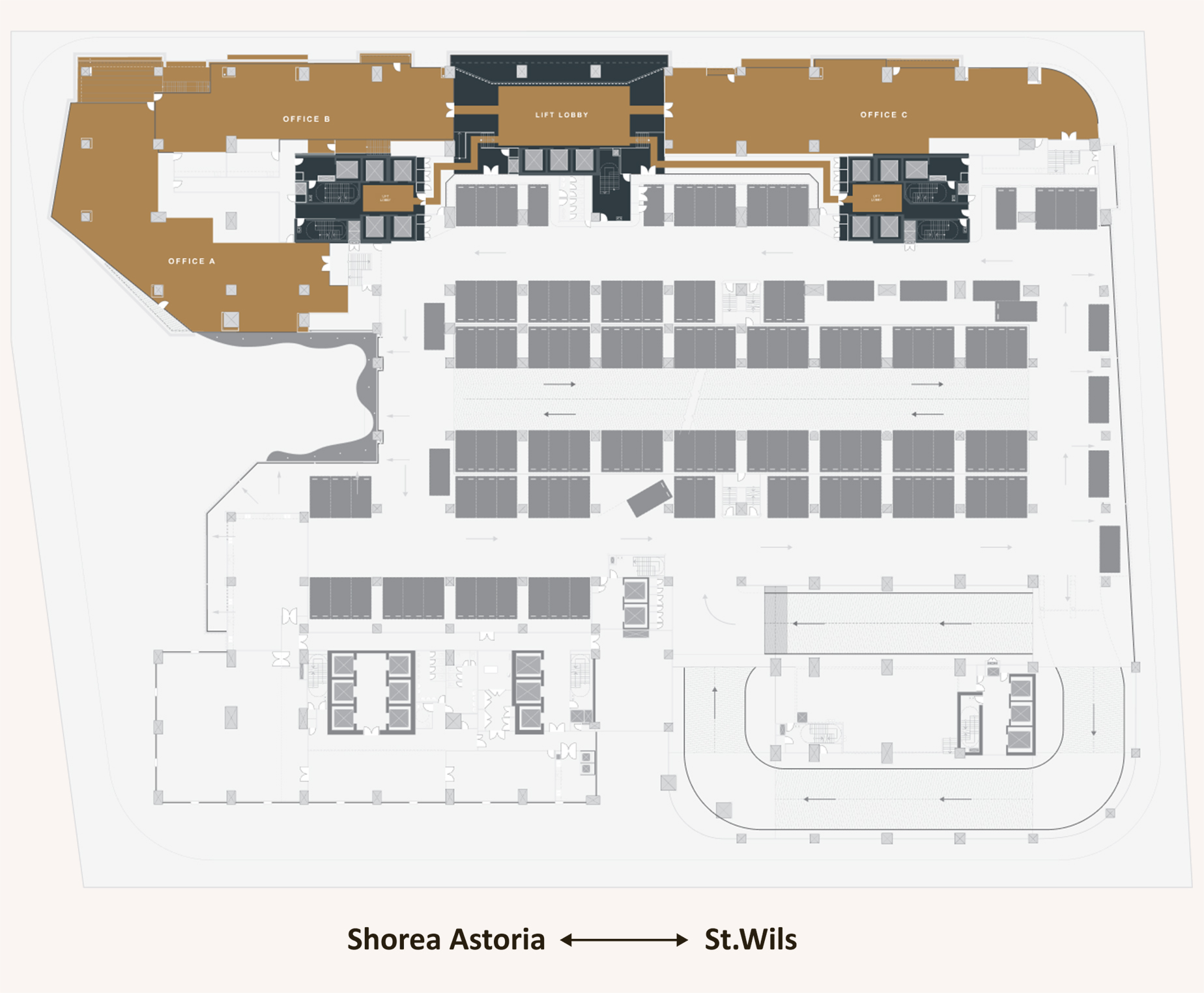
That said, offices and homes must be separated intelligently. Different operating hours, arrival patterns and security needs call for distinct access routes and clear wayfinding. The right balance creates energy without bringing commercial traffic into residential life.
Retail and dining with a reason to return
Retail is one of the most visible features of any mixed-use destination, but its success is rarely determined by scale alone. A useful retail collection should answer everyday needs while offering reasons to linger: quality cafés for informal meetings, dining choices for evenings, essential services and well-selected lifestyle operators.
For residents, the best outcome is choice without dependence. Nearby conveniences make the week easier, while the city remains available beyond the development. This matters because an integrated address should expand a resident’s options, not create a closed bubble.
For commercial tenants, a residential and office catchment can create a more dependable pattern of footfall than a location that only comes alive at weekends. Hotel guests add another layer of demand. The mix must still be curated with care, however. Too much duplication, unsuitable operating hours or poorly planned loading arrangements can weaken the experience for everyone.
Hospitality that elevates the address
A quality hotel is more than an attractive addition to a master plan. It can change how an address works for business, family life and investment appeal. Visiting relatives have a comfortable place to stay close by. Companies can accommodate guests near their workplace. Residents gain access to a livelier social environment and, depending on the development, hospitality-led venues and services.
A four-star hotel also signals a commitment to service standards, presentation and destination appeal. At The Logg, the presence of the Avani Hotel brings an international hospitality dimension to a connected environment shaped around residences, executive suites, offices, retail and community life.
The trade-off is that hospitality generates its own activity. Buyers should understand how hotel entrances, events, drop-off areas and back-of-house operations sit within the broader site plan. The best arrangements allow guests to feel welcomed while protecting the residential atmosphere.
Parking, access and the details people notice later
Parking is rarely the feature that captures imagination, but it has an outsized effect on everyday satisfaction. In a mixed-use development, adequate parking capacity, efficient entry and exit points, safe pedestrian routes and sensible visitor provisions are essential. These details determine whether an integrated address feels composed at busy times or unnecessarily stressful.
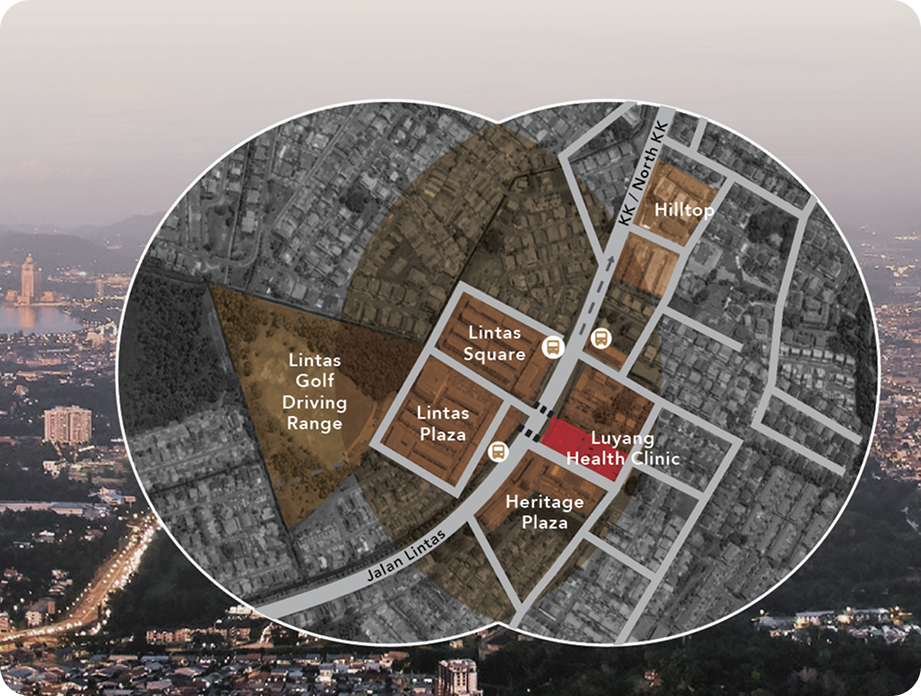
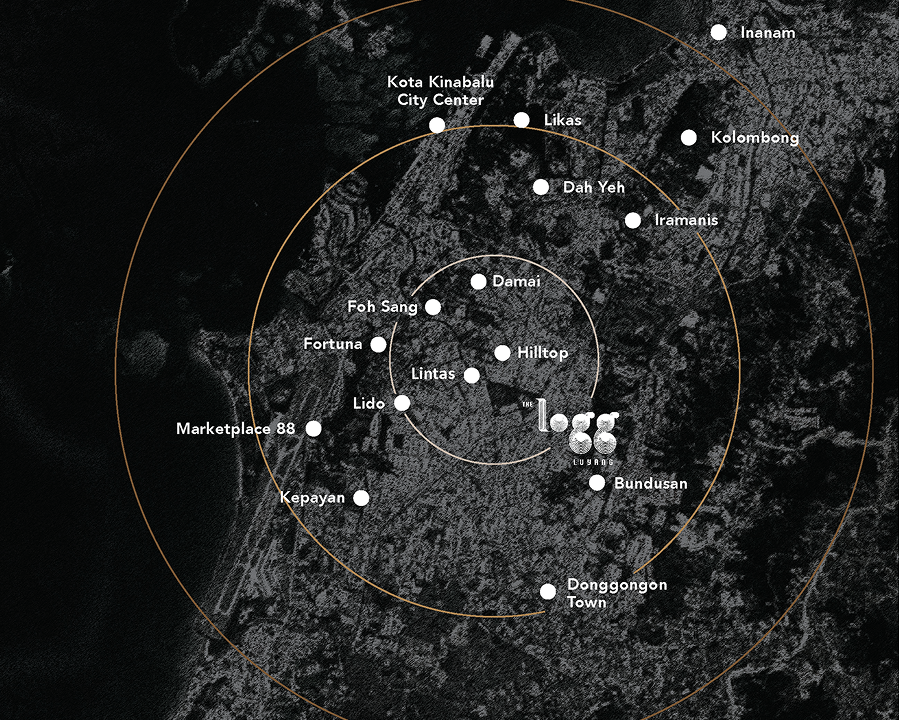
Accessibility extends beyond the car. Consider proximity to major roads, healthcare, education, the airport and established shopping districts. A well-connected Luyang address can reduce travel time across several parts of Kota Kinabalu, but the specific benefit depends on where your work, family and regular commitments are based.
Look closely at arrival experiences too. Covered drop-off areas, legible signage, discreet service access and barrier-free movement show that the developer has considered more than the show gallery. Good infrastructure is quiet confidence made physical.
Community Is the Feature That Cannot Be Installed Later
Facilities can be completed by handover. Community takes longer. It is shaped by the mix of residents, businesses, visitors and operators who use the destination each day. An integrated development has the potential to create this naturally because people arrive for different reasons and at different times.
The strongest communities are not built through constant activity alone. They leave room for privacy, offer places for informal encounters and provide a setting where everyday rituals can develop: a familiar coffee stop, an after-work meal, a weekend visit with family or a convenient place to meet a client.
This is why public-realm design deserves as much attention as tower architecture. Shaded walkways, comfortable gathering spaces, good lighting and landscaping all influence whether people choose to stay a little longer. In Sabah’s climate, thermal comfort and sheltered connections are practical considerations, not cosmetic extras.
How Buyers Can Assess Integration Before Committing
The most useful question is simple: can you picture a normal Tuesday here? Think beyond the viewing appointment. Consider how you would leave for work, receive a delivery, meet friends, park after dinner, welcome guests and return home when the weather changes.
Request clarity on management arrangements, access control and the division between residential, commercial and hospitality spaces. Review the master plan rather than judging individual towers in isolation. Where possible, understand which components are planned for early operation and which will be introduced later, as the experience of a growing destination can change over time.
It also helps to separate personal priorities from investment assumptions. A buyer who values a quiet home may place greater weight on residential separation and amenity quality. An entrepreneur may see more value in office proximity and client-facing hospitality. A family may focus on access, practical layouts and the ability to complete daily errands close by. There is no universal checklist, only a clearer understanding of what improves your life.
A well-integrated development should make a busy city feel more manageable without reducing its possibilities. Choose the features that support the way you actually live, and the address can continue to reward you long after the first impression has passed.