

A well-chosen home should make daily life feel more considered, not more constrained. Assessing property affordability is therefore about more than whether a residence appears attainable at the point of purchase. It is about understanding what the property asks of your time, your resources and your lifestyle over the years ahead – and what it gives back in return.
For buyers in Kota Kinabalu, that calculation is increasingly shaped by location, connectivity and the quality of the surrounding environment. A residence may offer an attractive layout, yet become less compelling when every errand requires another journey across the city. Conversely, a thoughtfully integrated address can reduce friction in ways that are felt every day: a shorter commute, easier access to dining and services, and more time reserved for family, work or rest.
Assessing Property Affordability as a Complete Picture
Affordability is often discussed as a single financial threshold. In practice, it is better understood as a complete ownership picture. The initial commitment matters, but it sits alongside ongoing household costs, building management, transport, upkeep and the practical demands of the location.
A useful starting point is to consider your reliable income rather than your most optimistic month. Build an ownership plan around the income that remains consistent through changing workloads, business cycles or family commitments. Then leave room for the costs that do not arrive as one headline figure: utilities, insurance, furnishing, maintenance and contributions associated with shared facilities.
This does not mean choosing only the smallest possible commitment. It means choosing with clarity. A home that leaves sensible room for savings, leisure, education, travel and unexpected events can support a far more confident lifestyle than one that stretches every part of the household budget.
The same thinking applies to investors. A property’s potential should be assessed against its holding costs, realistic occupancy expectations and the strength of its address. A well-positioned residence near employment, hospitality, retail and established city connections may appeal to a broader range of future occupants. Yet demand is never automatic. Investors should consider the type of resident the development is designed to serve, the competing supply nearby and how the building will remain relevant over time.
Look Beyond the Four Walls
Floor area and finishes are visible from the first viewing. The less obvious value lies in how a development supports the rhythm of ordinary days. A practical layout, for example, can make a compact home feel composed and generous, while wasted corridors or poorly placed storage can make a larger unit feel less useful.
Consider how the home works at different times. Does the living space accommodate quiet evenings as comfortably as hosting friends? Is there a considered place to work when needed? Will the bedrooms remain private when guests visit? Natural light, ventilation, storage and the relationship between living zones can influence long-term satisfaction as much as the view from a balcony.
Building quality also deserves close attention. Ask how common areas are maintained, how security is managed and whether parking, lifts and arrival spaces are designed for the volume of residents and visitors. These details affect convenience, but they also shape the enduring appeal of the property. A polished lobby is welcome; reliable everyday operations are more valuable.
For families and professionals, proximity to healthcare, schools, daily shopping and major routes can be part of the affordability equation. Time has a cost, even when it does not appear on a statement. Reclaiming time from repeated journeys can improve the value of a home in a very tangible way.
The Location Test: Time, Access and Everyday Ease
Before making a decision, test the address in real conditions. Visit during the morning rush, after work and at the weekend. Travel from the development to your workplace, preferred schools, family homes and regular appointments. Observe not only the distance, but the quality and predictability of the journey.
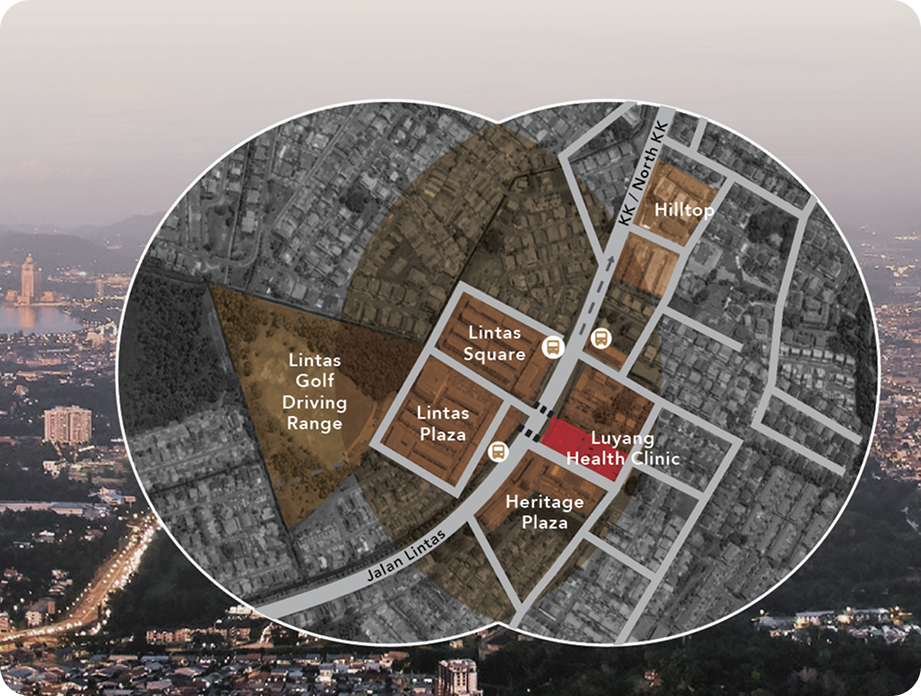
Luyang offers a particularly relevant case for buyers seeking access to central Kota Kinabalu without placing life on pause between destinations. Its connections to key city routes, healthcare, education, airport access and established neighbourhoods can support a more efficient routine. For an owner-occupier, that may mean less time in traffic. For an investor, it may strengthen the appeal for professionals who want a home close to both work and city life.
The character of the immediate precinct matters too. An isolated tower can offer privacy, but it may leave residents dependent on driving for nearly every need. A mixed-use environment offers a different proposition, bringing residences, workplaces, dining, services and hospitality into closer reach. The trade-off is that an active destination can feel more dynamic than a purely residential enclave. Whether that suits you depends on whether you value quiet separation or the energy and convenience of an urban community.
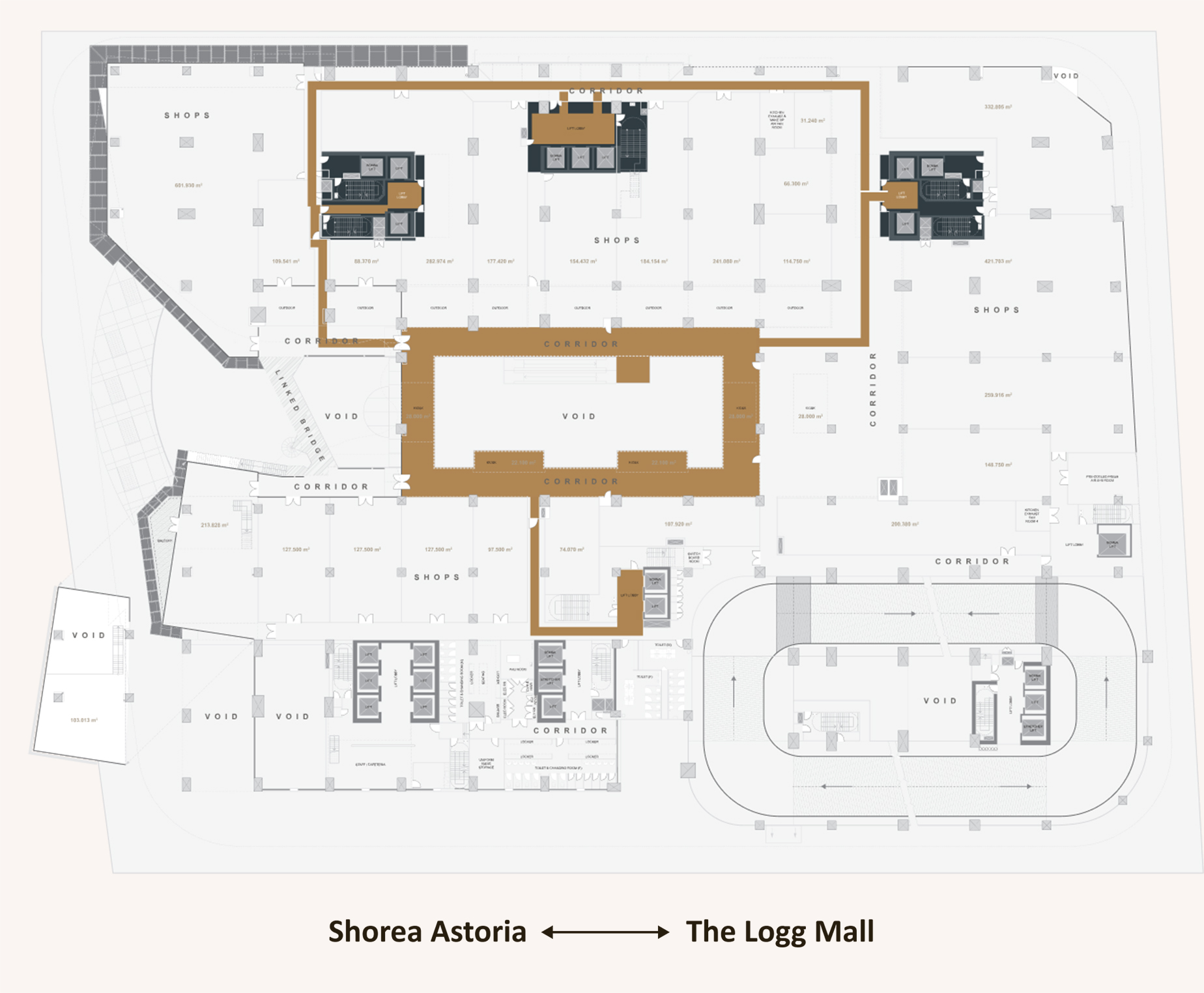
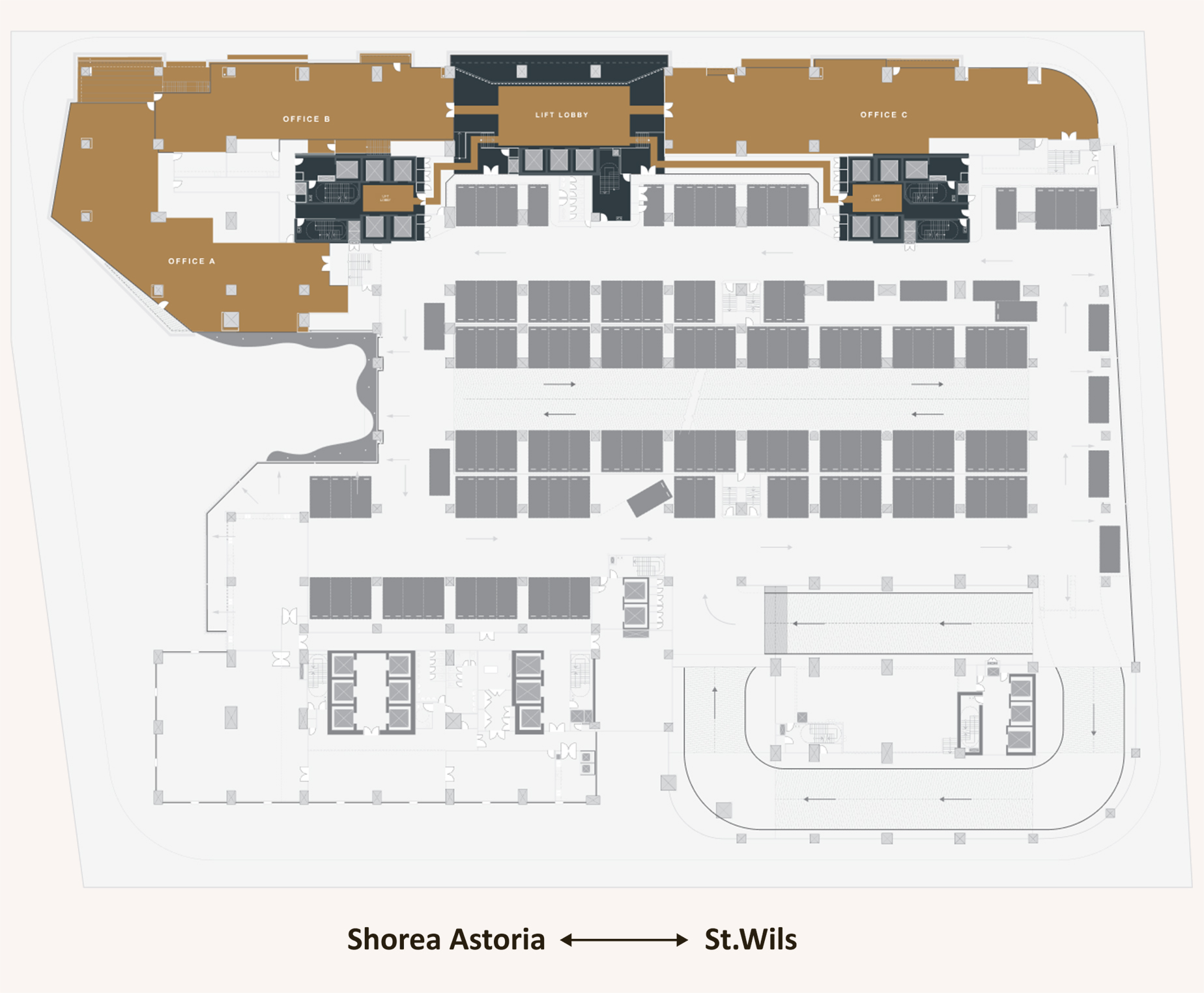
At The Logg, this integrated approach brings residences, executive suites, premium offices, lifestyle retail and the world-class Avani Hotel into one connected destination. For the right buyer, this is not simply an added amenity. It is a practical way to reduce the daily movement between home, meetings, meals and leisure.
Assessing Property Affordability Over the Long Term
The most confident property decisions account for change. A first home may need to adapt to a growing family. An executive suite may need to accommodate more frequent work-from-home days. An investment property may need to appeal to future tenants whose expectations differ from those of today.
Ask whether the unit format will remain suitable for the next stage of life. A residence that meets your needs now but limits your options later may still be the right choice, provided you recognise that trade-off at the outset. Flexibility can come from an efficient layout, adaptable spaces, access to shared facilities or the wider conveniences of the development itself.
Long-term affordability also depends on the durability of the surrounding proposition. Buildings are not valued in isolation. Their appeal is influenced by neighbourhood investment, transport links, commercial activity and the experience offered to residents and visitors. Developments with a clear purpose, considered infrastructure and a balanced mix of uses are often better positioned to retain relevance than those built around a single short-term trend.
This is where buyers should distinguish between features and fundamentals. A fashionable communal space may be enjoyable, but dependable security, sound management, practical parking and a connected location are the qualities that support daily confidence. Premium facilities should enhance the fundamentals, not distract from their absence.
Questions Worth Asking Before You Commit
A viewing should be treated as the beginning of due diligence, not the final step. Request clarity on the home’s specification, what is included with the unit and how shared spaces will be operated. Review the development’s access points, visitor arrangements and parking provision. If you are purchasing for investment, consider who is most likely to live there and whether the unit suits their working and lifestyle patterns.
It is also sensible to consider the quality of the wider masterplan. Are the residential, office, retail and hotel components complementary? Will the development create useful footfall and activity while preserving a sense of privacy for residents? The strongest mixed-use destinations manage both sides of that balance: they feel alive, yet remain comfortable to call home.
Finally, give yourself enough time to compare properties on the same basis. A larger unit farther from your routine may not offer greater value than a more efficiently planned home in a well-connected setting. Equally, an address with extensive amenities may not be worthwhile if you will rarely use them. Personal habits should guide the decision.
A property becomes genuinely affordable when it supports the life you want to lead without narrowing your choices elsewhere. Choose the home that makes your everyday routine easier, your future plans more flexible and your sense of place more assured.