

The morning school run can shape a family’s entire day. For families searching family homes near schools Kota Kinabalu, the right address is not simply about reducing kilometres on a map. It is about creating more time for breakfast, calmer arrivals, after-school activities and an evening that does not begin with another long journey through the city.
In a growing urban market such as Kota Kinabalu, proximity to education remains one of the most practical measures of a home’s long-term appeal. Yet choosing well requires more than selecting the closest building to a school gate. Families should consider the quality of daily access, the home’s adaptability, the neighbourhood’s amenities and the way the location will support changing needs over time.
Why school proximity matters to family life
A shorter journey to school can bring a meaningful improvement to everyday routines. Parents with demanding careers know that time is a finite resource. Reclaiming even 20 or 30 minutes from the morning commute may mean less rushing, greater flexibility for meetings, or a more relaxed start before the working day begins.
There is also a practical benefit after lessons finish. Children may have tuition, sports, music classes or social commitments, while parents may need to collect groceries, attend appointments or return to the office. A centrally positioned home helps make these moving parts more manageable, particularly when both adults in a household are working.
For many buyers, the value is not limited to their own routine. Homes in well-connected school catchments can remain attractive to future family purchasers and tenants. This does not guarantee capital growth, as market conditions, building quality and supply still matter, but it can strengthen the property’s broad appeal when the time comes to sell or let.
Family homes near schools in Kota Kinabalu: look beyond distance
A property may appear close to a school, but the lived experience can be very different from the pin shown on a map. Road layouts, peak-hour traffic, safe drop-off points and access to main routes all influence whether a location genuinely saves time.
Test the route at the right time
Viewings often take place during quiet hours, when roads can feel deceptively easy. Before committing, travel the school route on a weekday morning and, where possible, around collection time. Notice turning points, queuing traffic, weather exposure and whether there are alternative routes when an accident or heavy rain slows the usual journey.
For high-rise living, account for the journey from front door to car as well. Efficient lift access, well-designed pick-up areas and sufficient parking make a material difference when children, school bags and work commitments all compete for attention.
Consider the family’s full weekly radius
A school may be the priority, but it should not be the only destination that guides a purchase. Healthcare, supermarkets, dining, green spaces, tuition centres and places of work should all sit within a practical radius. A home that is near school but isolated from everything else can simply shift the inconvenience to another part of the week.
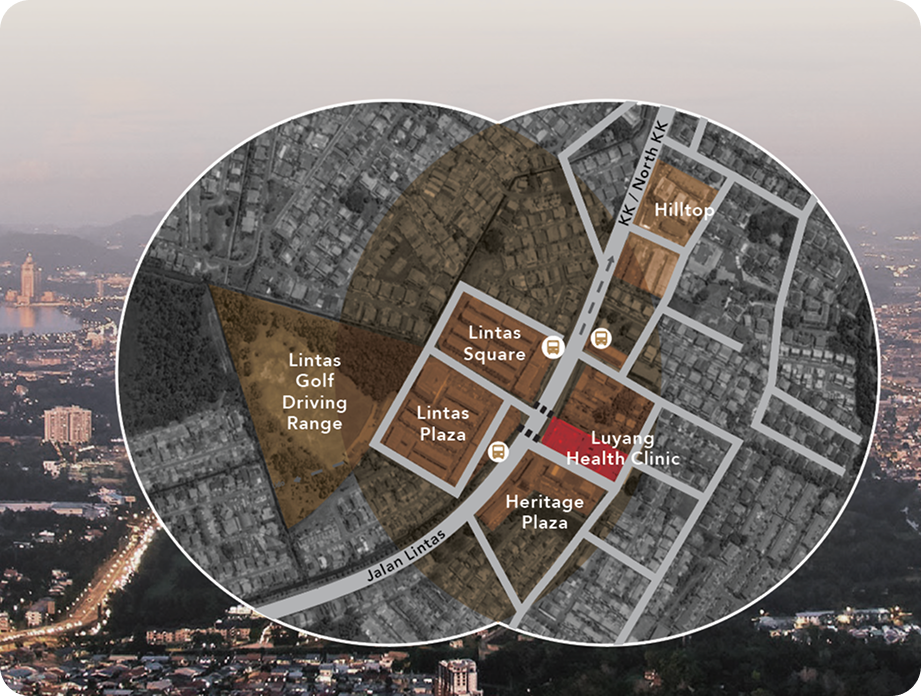
Luyang is particularly compelling for buyers who want central-city access without making every errand a separate cross-town trip. Its established position places families within reach of key city destinations, while retaining the convenience expected from a mature urban neighbourhood.
Choosing the right type of home
For some families, a landed house remains the preferred option because of its private outdoor space and perceived room to grow. However, contemporary high-rise residences can offer a more efficient answer for households that value security, managed facilities and a location nearer to work, schools and city services.
The better choice depends on lifestyle rather than convention. A larger house further from the centre may suit families who prioritise private gardens and have predictable commuting patterns. A well-planned residence in a connected development may be better for parents who value time, lock-up-and-leave practicality and access to daily conveniences within the same destination.
When comparing homes, pay close attention to usable space rather than headline square footage alone. A considered two-bedroom or compact three-bedroom layout can work exceptionally well when bedrooms are properly proportioned, storage is integrated and living areas accommodate both family time and study. Conversely, an oversized layout with poorly used corridors may feel less functional than its numbers suggest.
Space that works now and later
A family home should have room for change. A nursery may become a child’s bedroom, then a study area. The dining table may serve as a homework station. A second bedroom can be essential for siblings, visiting grandparents or a live-in helper, depending on the household.
Look for practical details: space for bicycles or prams, durable finishes, adequate kitchen storage and a layout that allows adults to supervise younger children without giving up privacy. Natural light and ventilation also deserve careful attention in Sabah’s climate. They shape comfort, energy use and the way a home feels over long periods of occupancy.
Security and managed living are part of the decision
Families often assess security in broad terms, but the details matter. Controlled access, attentive management, well-lit common areas and monitored arrival points can contribute to everyday confidence. These features are especially valuable for parents returning late from work or for older children beginning to enjoy more independence within their residential environment.
Managed developments can also remove some of the burdens associated with standalone homes. Maintenance of common facilities, landscaping, lifts and building systems is organised collectively, allowing residents to focus more of their time on family life. The trade-off is the need to understand service charges, house rules and the management’s track record. Premium living should come with clear, well-maintained standards, not vague promises.
Amenities deserve the same level of scrutiny. A pool or lounge may look impressive in a brochure, but families should ask how frequently facilities are maintained, whether they suit different age groups and how accessible they are during busy periods. The most valuable amenities are those that fit naturally into a real weekly routine.
The advantage of an integrated urban destination
A connected mixed-use setting can change the rhythm of family life. Rather than driving from home to office, then to dinner, then to a separate errand, residents can bring several everyday needs closer together. This is where location becomes more than a postcode. It becomes a practical framework for how time is spent.
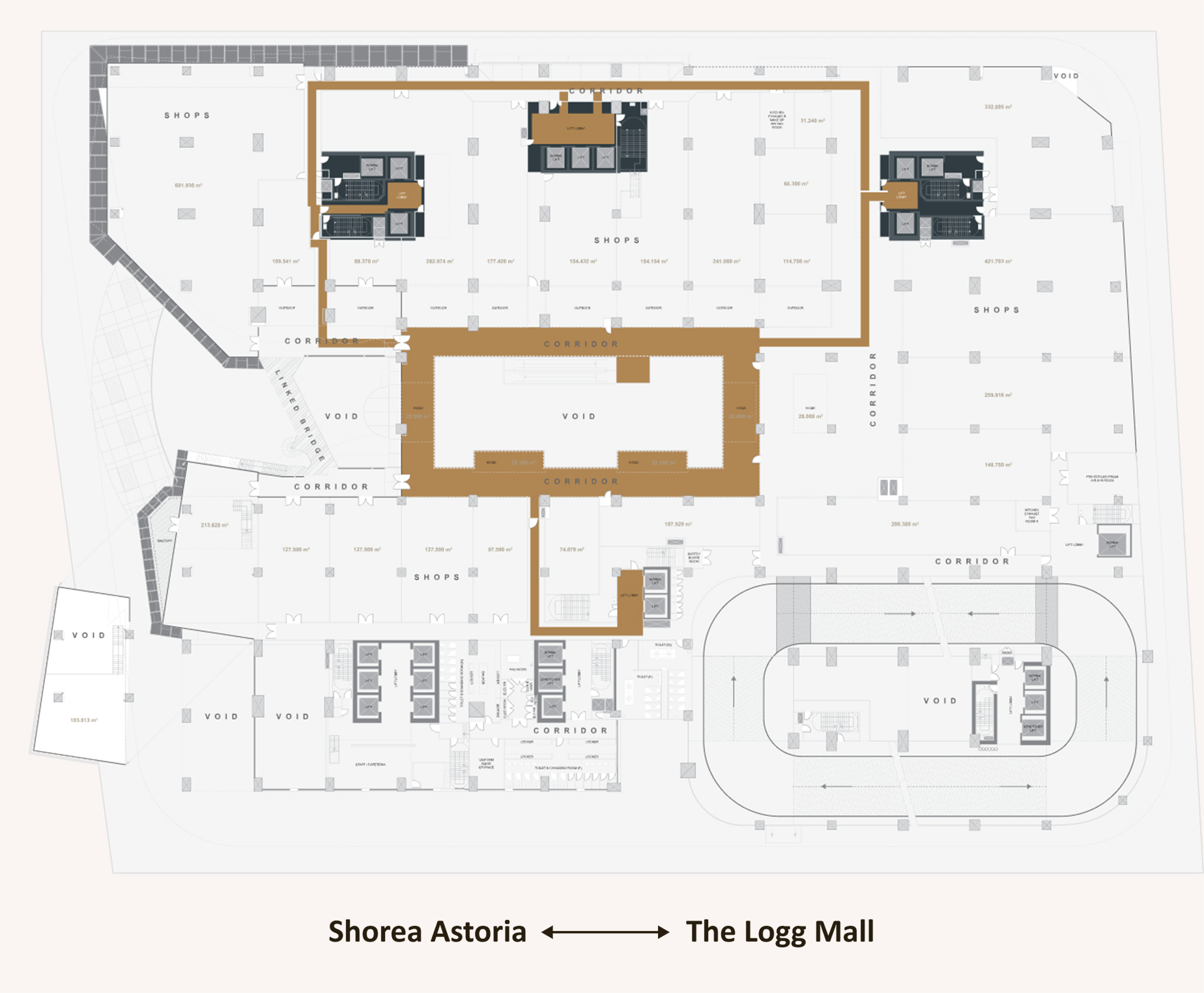
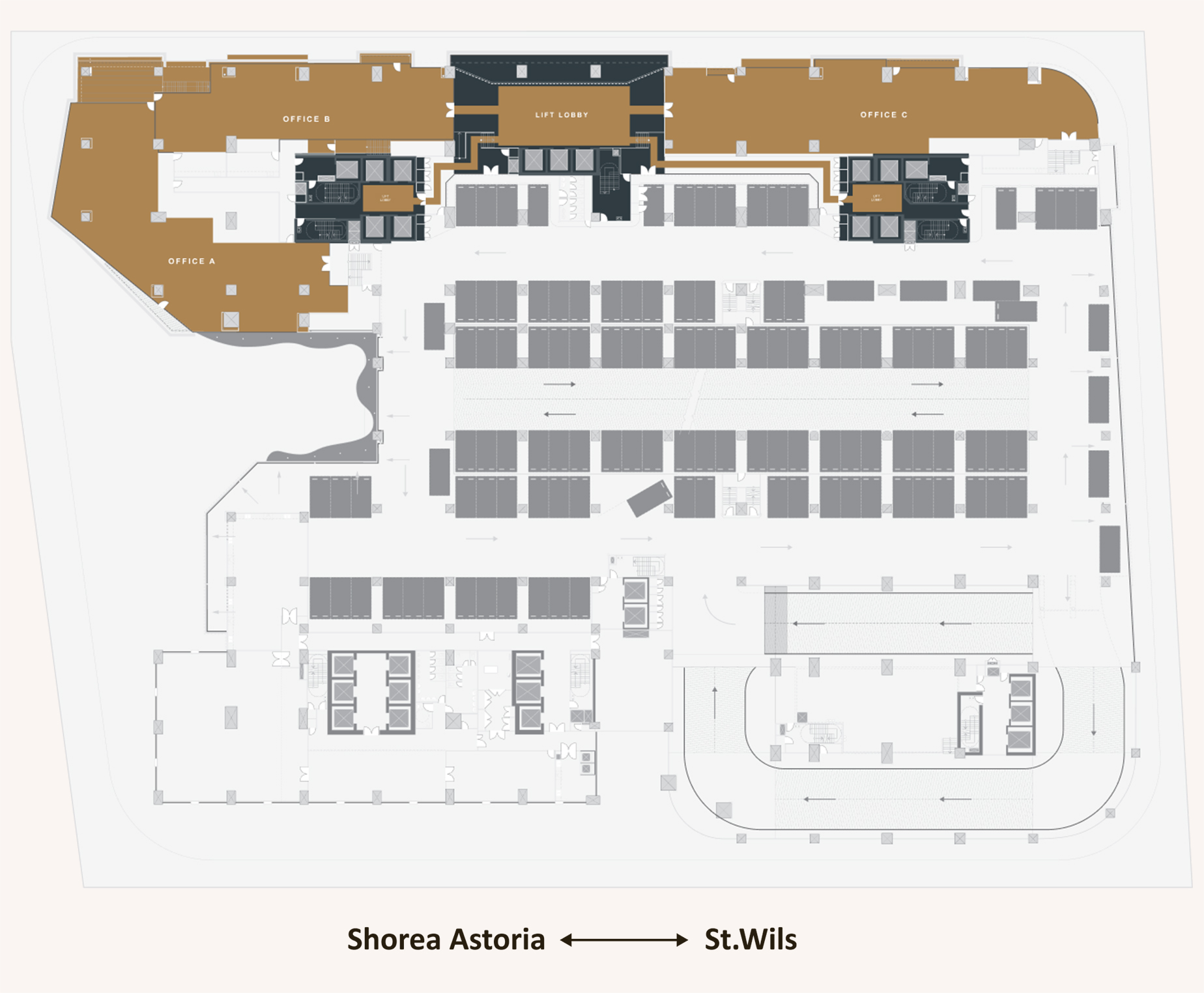
At The Logg in Luyang, residential living sits alongside premium offices, lifestyle retail, dining, parking and the world-class Avani Hotel. For urban families, this combination creates a more complete setting than an isolated residential tower. A parent may begin the day with a school run, return to a nearby workplace, meet friends for dinner close to home and still avoid the feeling that every plan requires a lengthy drive.
The residential offering also recognises that not every buyer needs the same format. Parkhill comprises 250 residences in a 39-storey tower, with unit sizes from 620 to 850 sq ft. These dimensions can appeal to professionals, young families and investors seeking a manageable city home with the benefits of an integrated address. Buyers requiring a more elevated executive-suite proposition may consider the distinct positioning of Shorea and Astoria.
This type of development is not automatically right for every household. Families who need several large bedrooms, extensive private outdoor space or immediate access to a particular school may find a landed property more suitable. But for buyers who place a premium on centrality, convenience, security and a contemporary lifestyle, integrated living presents a strong alternative.
Questions to ask before making an offer
The best property decisions are made with both emotion and evidence. A home should feel right, but it must also support the practical realities of ownership. Before proceeding, buyers should clarify four areas: the full monthly cost including service charges and parking; the actual school and work travel times at peak periods; the flexibility of the layout as children grow; and the quality of management, facilities and surrounding infrastructure.
It is equally sensible to consider the holding period. Investors may focus on rental demand from professionals and families who value a central location. Owner-occupiers may care more about daily comfort and resale flexibility. Both should examine the local supply pipeline, unit mix and the features that distinguish one development from another.
A family home near a good school should do more than shorten the morning journey. It should give each day more room to breathe, with a location and living environment that continues to make sense as your family’s ambitions grow.