
A residence above a lively retail precinct can make an ordinary Tuesday feel considerably easier. Coffee, meetings, groceries, dining and a return home may all happen within one address. Yet to assess mixed-use properties properly, buyers and investors need to look beyond that immediate convenience. The strongest developments are not simply a collection of uses on one site. They are places where each component improves the experience, relevance and long-term appeal of the others.
How to assess mixed-use properties as a complete destination
A mixed-use property should be evaluated as an ecosystem, not as an individual tower or unit type. Residences, offices, retail, hospitality and parking can create a more active, connected environment, but their presence alone does not guarantee quality. The question is whether they have been planned to work together without compromising privacy, access or daily comfort.
Start by considering the development’s purpose. Is it designed around the habits of residents and working professionals, or does it feel like several unrelated buildings sharing a boundary? A well-considered destination gives each group a clear place within the overall plan. Residents need calm, secure arrival routes and meaningful amenities. Businesses require convenient access for clients and staff. Retailers need visible footfall, while hotel guests should be able to arrive and move around intuitively.
This is where integration becomes tangible. A connected environment can support a more efficient routine and create natural activity throughout the day, rather than relying on a single peak period. It can also help a development remain relevant as the surrounding neighbourhood evolves.
Look beyond the postcode
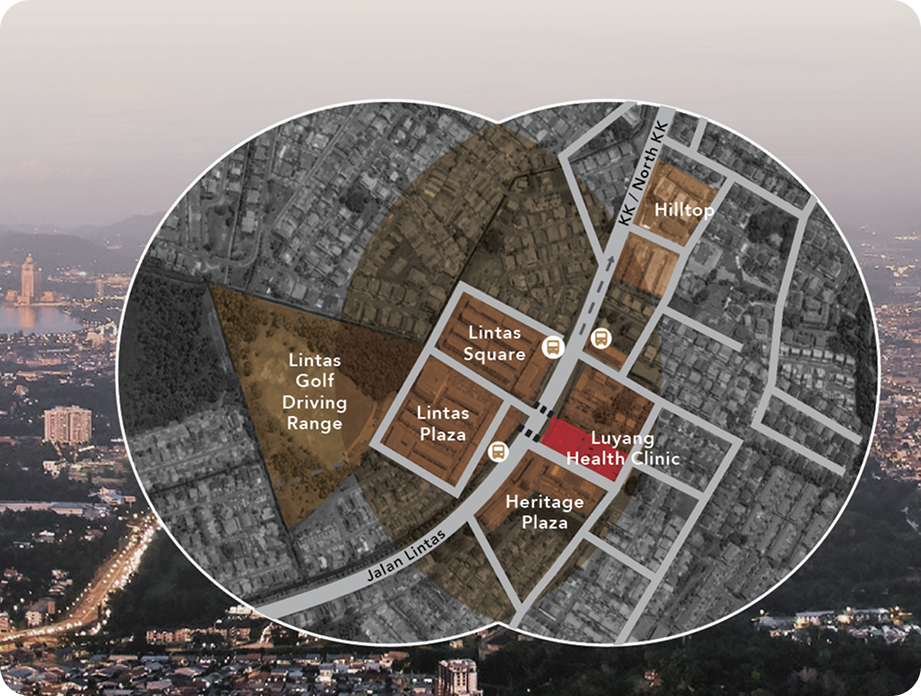
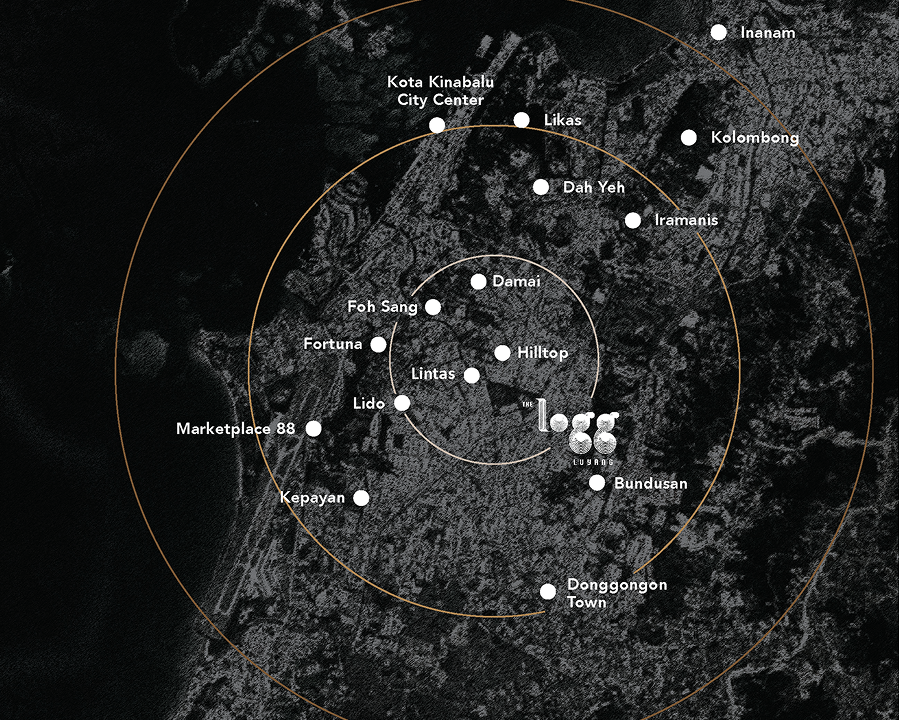
Location remains fundamental, but a strong address is about more than distance from the city centre. Consider how the property connects to the places that shape everyday life: workplaces, schools, healthcare, shopping, dining, airport routes and major roads. In Kota Kinabalu, a location that reduces unnecessary cross-city travelling can carry real value for households, entrepreneurs and executives with demanding schedules.
Equally, inspect the immediate setting. What is already established nearby, and what is likely to change? A mixed-use scheme can bring welcome energy to its precinct, but buyers should understand local traffic patterns, access points and surrounding land uses. A convenient address should not come at the cost of difficult arrivals, poor pedestrian safety or regular congestion at key times.
The most desirable projects often strike a balance between city access and a sense of separation once you are home. That distinction matters. Retail and hospitality may bring vibrancy to the wider destination, while the residential experience should still feel composed, private and secure.
Examine the mix, not just the marketing
The individual elements of a mixed-use development should have a clear relationship with its intended audience. Premium offices may support weekday activity and bring professional services closer to residents. Lifestyle retail and dining can make the precinct more useful after working hours. A quality hotel can add hospitality standards, visitor accommodation and additional appeal for business travellers.
However, each component should be proportionate. Too little retail may leave the podium quiet and underused. Too much retail, or an unsuitable tenant mix, may create noise and parking pressure. The same applies to commercial space: it should add convenience and prestige without making residential circulation feel crowded or overly public.
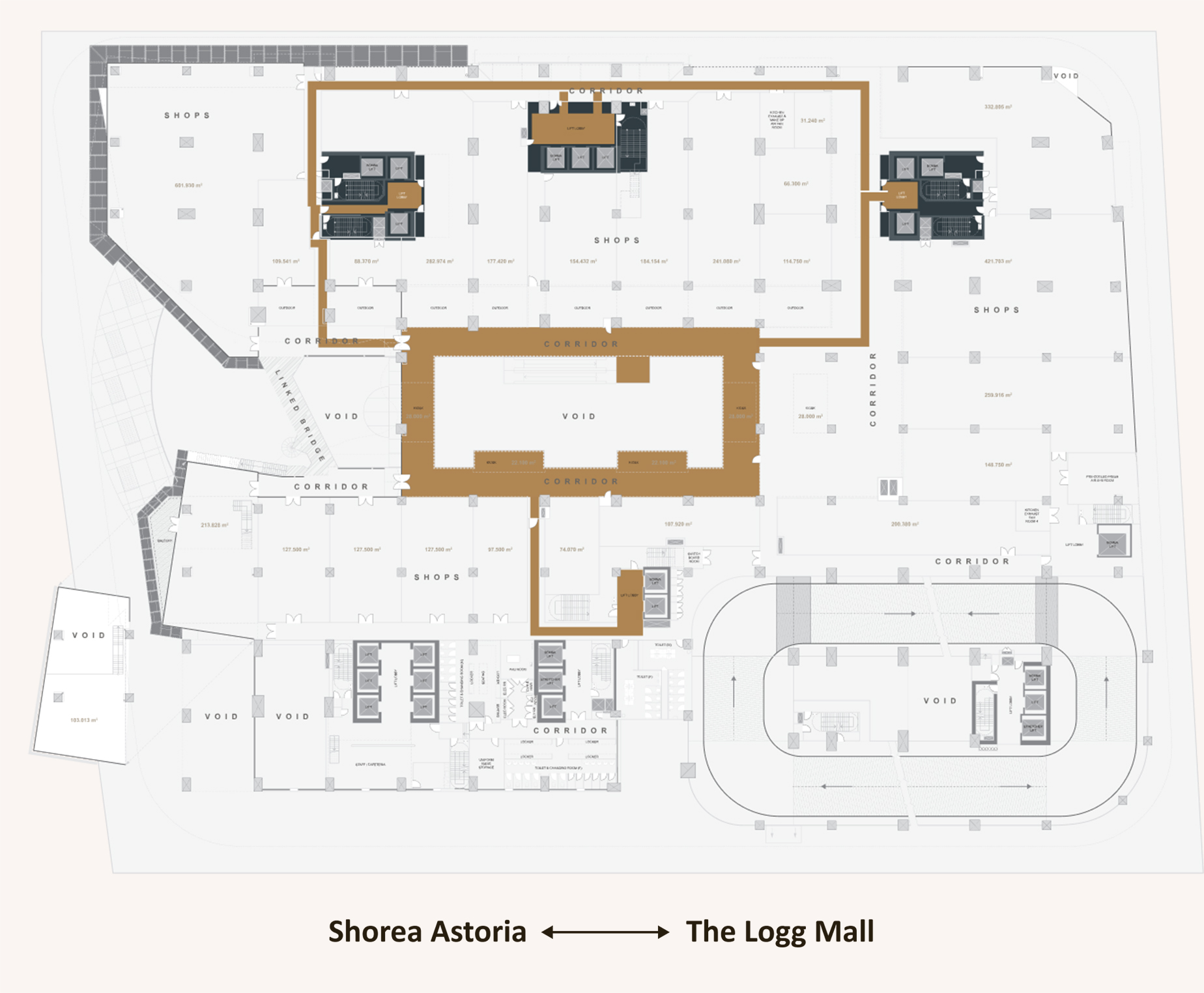
Ask how the spaces are arranged vertically and horizontally. Are entrances clearly separated? Are service bays and loading activity kept away from private residential areas? Is the retail area positioned to invite visitors without turning every resident journey into a busy public encounter? These operational details often have more influence on daily satisfaction than a glossy masterplan image.
At The Logg in Luyang, the proposition is built around residences, executive suites, offices, retail, hospitality and parking within one connected destination. For a buyer, the relevant consideration is not simply the number of facilities available, but whether that combination supports the way they intend to live, work or invest.
Test the quality of everyday movement
Mixed-use living succeeds or fails in the transitions between spaces. Visit at different times if possible: weekday morning, lunchtime, evening and weekend. Observe vehicle queues, lift waiting times, pedestrian routes and the ease of finding the correct entrance. A development may look composed during a quiet viewing but operate very differently when offices, restaurants and hotel facilities are active.
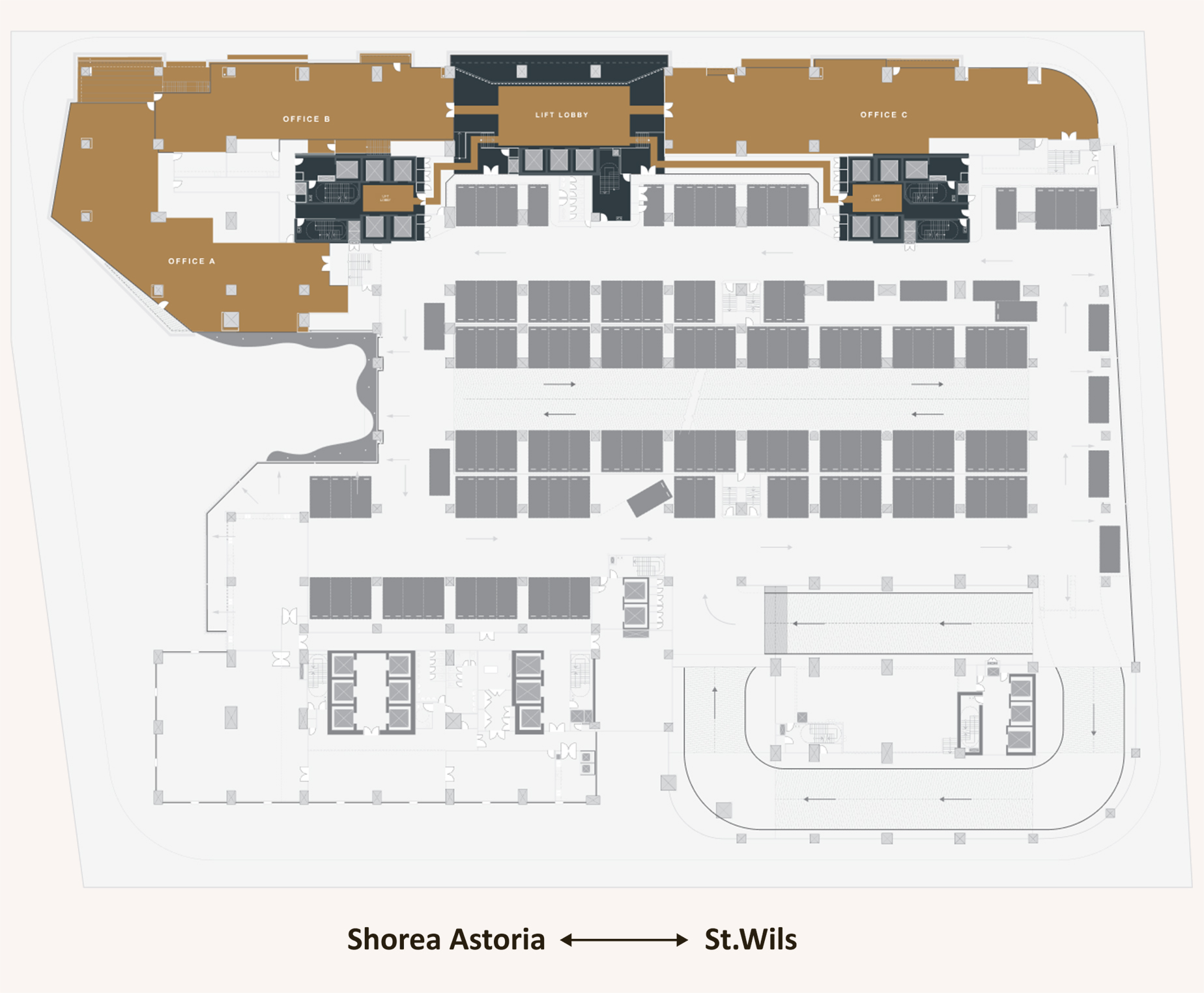
Parking deserves particular attention. It needs to accommodate residents, visitors, office users, shoppers and hotel guests without creating friction. Consider the number and placement of bays, the clarity of wayfinding, drop-off arrangements and the separation between public and private parking areas. A generous parking provision is useful only if circulation remains sensible when demand is high.
Also consider the route from car park to front door. Does it feel safe, well-lit and direct? Is there an appropriate sense of arrival? For high-rise residences, lift zoning, lobby design and access control are part of the lived experience. They influence both convenience and the level of privacy buyers expect from a premium home.
Give management the weight it deserves
A refined mixed-use property has more moving parts than a standalone condominium. That makes capable, well-funded management essential. Common areas, landscaping, security, waste handling, lifts, mechanical systems and visitor activity all require consistent attention. The standard of management will influence how the destination feels years after completion.
Buyers should understand how residential, retail, office and hotel areas are managed, including the boundaries of responsibility between them. Clear operating rules help protect comfort for everyone. They can cover delivery times, contractor access, waste collection, event activity, signage, noise and the use of shared roads or facilities.
It is also worth reviewing the long-term maintenance approach. Contemporary finishes, dramatic lobbies and landscaped decks are valuable features, but they need regular care to retain their quality. Look for evidence that maintenance has been considered from the outset, rather than treated as an afterthought once the property is occupied.
Consider demand from more than one perspective
For owner-occupiers, a mixed-use property should make life more considered and time-efficient. The right development can reduce the small frictions that accumulate across a week: separate journeys for errands, long commutes to meetings, or the need to leave the neighbourhood for a good meal or visiting guest accommodation.
For investors, demand is broader but requires more scrutiny. Consider who may want to rent or buy within the development over time. Professionals may value proximity to offices and dining. Corporate visitors may appreciate nearby hotel accommodation. Smaller households may be drawn to well-designed homes in a connected setting. The point is to identify genuine user demand, not to assume that mixed-use status alone creates it.
Unit design matters here too. Floor area, layout efficiency, storage, natural light and outlook remain central to a property’s appeal. A compelling masterplan cannot compensate for a residence that feels compromised internally. The best opportunities pair a strong address and destination concept with a home that works beautifully on an ordinary day.
Weigh convenience against potential trade-offs
Mixed-use developments offer energy and access, but they are not the ideal choice for every buyer. Those who prioritise a quieter, lower-density setting may prefer a purely residential scheme. Families should examine whether the development’s amenities, circulation and nearby services genuinely support their routines. Investors should avoid relying on optimistic assumptions about future retail activity or rental demand.
The right approach is to distinguish activity from disruption. A lively destination can be highly attractive when public spaces, service operations and residential zones are thoughtfully managed. It becomes less appealing when the separation is weak or when practical infrastructure cannot support the volume of people using the site.
A considered inspection should leave you able to picture your own day with confidence: arriving home after work, meeting a client nearby, welcoming guests, enjoying the precinct and returning to a private residence. When those moments feel natural rather than complicated, you may be looking at a mixed-use property with enduring relevance.