

A home that sits above a quiet residential street offers one kind of appeal. A home connected to workplaces, dining, hospitality and everyday services offers another. In the conversation around mixed-use development versus condominium, the most useful question is not which is universally better. It is which environment supports the way you want to live, work and hold property over time.
For buyers in Kota Kinabalu, that distinction can shape far more than a daily commute. It influences the level of activity around the property, the convenience available at the doorstep, the profile of potential tenants and the long-term character of the address.
Mixed-use development versus condominium: the key distinction
The comparison can be slightly misleading because the two terms do not always describe the same thing. A condominium generally refers to a residential development, often a high-rise project with individually owned strata units and shared facilities. A mixed-use development describes a broader planning model that brings different uses together – typically residences, offices, retail, dining and hospitality.
A condominium can, therefore, form part of a mixed-use development. The residential tower may retain the privacy, security and facilities buyers expect from condominium living, while benefiting from the activity and infrastructure of the larger destination around it.
A standalone condominium is primarily designed around the residential experience. Its facilities may include a pool, gymnasium, landscaped areas, function spaces and security provisions, but residents generally leave the site for work, meals, errands and entertainment. In a well-conceived mixed-use scheme, several of those journeys take place within one connected setting.
That difference matters most to people who place a premium on time. It also matters to investors assessing whether a property serves only one type of demand or sits within an ecosystem used by residents, office professionals, visitors and hotel guests.
What everyday living feels like
The strongest case for a conventional condominium is focus. Its atmosphere is often quieter, more enclosed and shaped almost entirely by residents. For families who value a distinctly residential setting, or buyers who prefer clear separation between home and commercial activity, this can be a meaningful advantage.
Mixed-use living is more dynamic. A resident may begin the day with breakfast nearby, meet a client within the same precinct, return home without a cross-city journey and host friends close to a choice of dining and lifestyle options. The appeal is not simply having shops downstairs. It is having a more efficient rhythm to the day.
This model can be particularly compelling for professionals with demanding schedules. When the office, a hotel for visiting colleagues and convenient meeting places are close at hand, the address becomes a practical extension of professional life as well as a place to live.
The trade-off is that a mixed-use destination naturally has more movement. Retail visitors, hotel guests and office workers bring energy and footfall, particularly during business hours and evenings. Buyers should consider whether the residential entrance, parking routes, lift access and amenity spaces are properly planned to preserve a sense of arrival and privacy.
The best developments resolve this through thoughtful separation. Dedicated residential lobbies, controlled access, clear circulation and sufficient parking help ensure that convenience does not come at the expense of comfort.
Convenience is valuable when it is genuine
Developers often use convenience as a headline benefit, but buyers should look beyond the word. Genuine convenience means the parts of the development work together in a way that removes friction from daily life.
Consider the practical details. Is there a direct and protected route between residences and key amenities? Can residents access dining, retail and workspaces without relying on the car for every short journey? Are visitor drop-off points and service access sensibly managed? Does the location offer strong connections to the city centre, airport, healthcare, schools and established neighbourhoods?
These questions reveal whether mixed-use is a useful lifestyle proposition or simply a collection of buildings on one plot. Physical proximity alone is not enough. The experience must feel coherent.
For a city such as Kota Kinabalu, where time spent on the road can affect the shape of a working day, a connected address can offer a clear quality-of-life advantage. It allows residents to spend less time coordinating logistics and more time using the city on their own terms.
The investment case depends on demand diversity
A condominium investment is often assessed through familiar measures: location, unit layout, building maintenance, facilities, competing stock and the likely depth of tenant demand. These remain essential in any purchase decision.
A mixed-use development adds another dimension. Its residential component may draw interest from tenants who value proximity to offices, hospitality and lifestyle amenities. The wider precinct can create multiple reasons for people to visit and spend time there, rather than relying solely on residential occupancy to establish activity.
That does not automatically make every mixed-use unit a stronger investment. Retail areas need thoughtful tenant curation, office space needs a credible commercial catchment, and hotel operations must complement rather than overwhelm the residential experience. If any component is poorly managed or underused, the promise of an integrated destination can feel diluted.
Buyers should also avoid treating retail footfall as a substitute for residential fundamentals. A desirable unit still needs an efficient layout, good natural light, practical storage, appropriate floor level and a liveable relationship with its surroundings. The masterplan can strengthen the proposition, but it cannot correct a weak individual unit.
The more persuasive investment argument is resilience through relevance. A location with several compatible uses may remain useful to a wider cross-section of residents, professionals and visitors as lifestyle expectations evolve.
Facilities: private amenity versus shared destination
Condominium facilities are designed for residents. This can make them feel exclusive and predictable, particularly when management maintains a high standard and usage is well controlled. For many buyers, a well-kept pool deck, gymnasium and communal lounge are exactly what home should provide.
Mixed-use developments expand the idea of amenity. The resident’s life is supported not only by private facilities within the tower but also by the dining, services, workspaces and hospitality available across the precinct. This creates more choice, although not all of it is exclusive to residents.
The distinction is worth considering carefully. If your ideal weekend is spent in a calm residents-only environment, a standalone condominium may suit you better. If you enjoy stepping into a lively urban setting with places to meet, work and dine close by, the broader offer of mixed-use living may be more aligned with your lifestyle.
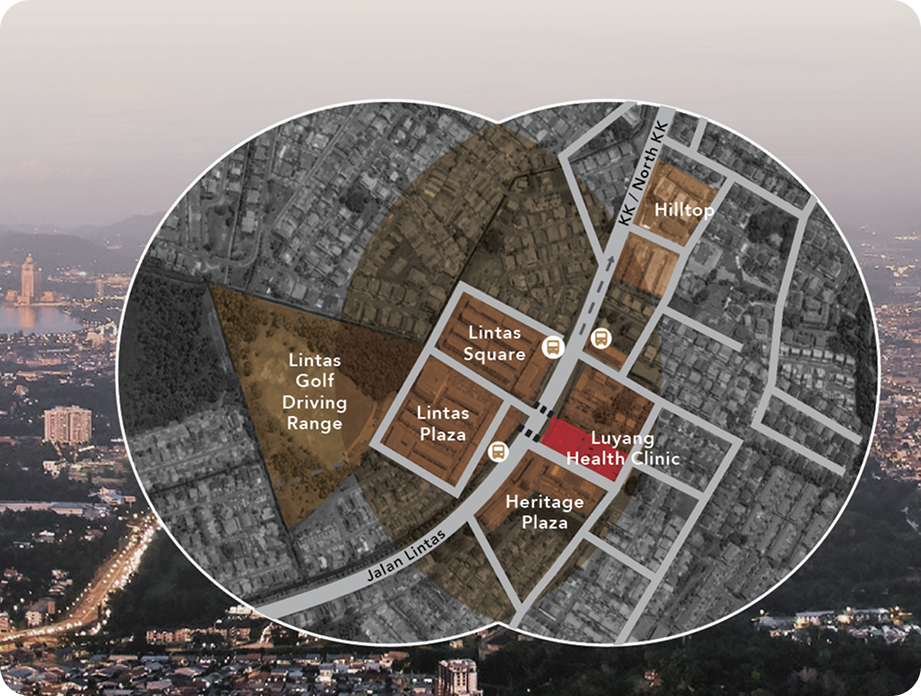
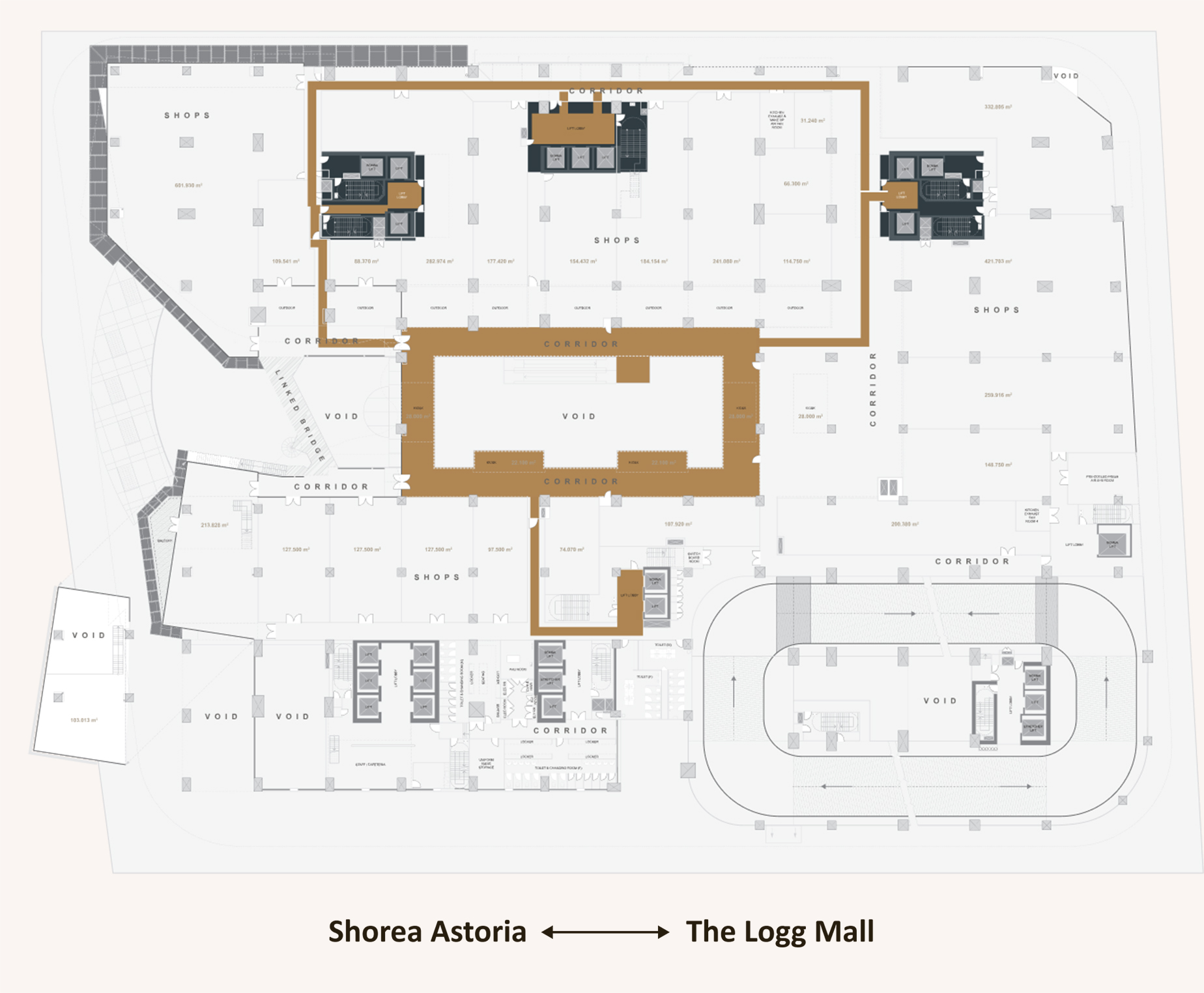
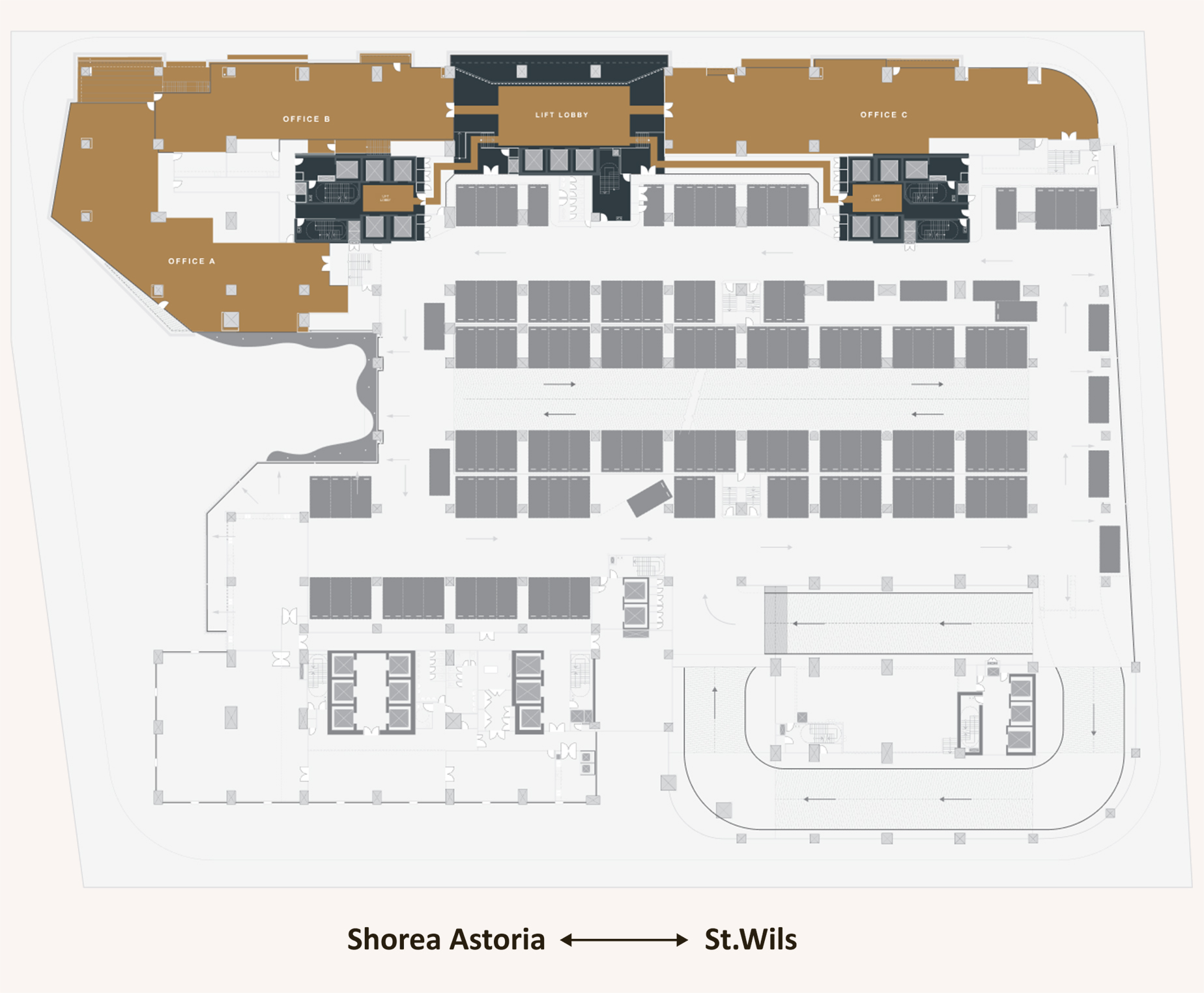
At The Logg, this approach brings residences, executive suites, premium offices, lifestyle retail and the Avani Hotel into a single Luyang destination. For buyers, the proposition is not simply a tower with facilities. It is the ability to move between home, business, hospitality and leisure with greater ease.
Questions to ask before choosing
The right choice becomes clearer when you assess the development as it will operate on an ordinary Tuesday, not only when viewing a show unit. Ask how residential security is separated from public areas, how parking is allocated and managed, and whether the building’s management structure has the scope to maintain both private and commercial spaces to a consistent standard.
It is also wise to consider the likely profile of occupants and visitors. A development anchored by offices and a hotel may appeal to executives, business travellers and professionals, while a more secluded condominium may attract buyers seeking a quieter residential community. Neither audience is inherently better. They simply produce different patterns of use and demand.
Finally, examine your own priorities with honesty. A buyer who works remotely may value on-site cafés and meeting spaces more than someone who wants complete separation between work and home. A frequent traveller may appreciate nearby hospitality and direct city connections. A family may place greater weight on household routines, security and the ease of accessing schools and healthcare.
The most rewarding property decisions begin with that daily reality. Choose the setting that gives your time, lifestyle and long-term plans the room to work effortlessly.