
A home address should do more than provide a place to return to at night. For many buyers in Kota Kinabalu, it should shorten the journey to work, make an evening meal feel spontaneous, offer a welcoming setting for visitors and place everyday essentials close at hand. That is the appeal behind the question: what is a mixed use development? It is a property concept designed around the way urban life is actually lived – with home, work, leisure and hospitality connected in one considered destination.
What Is a Mixed Use Development?
A mixed use development combines two or more property uses within a single integrated site. Most commonly, these uses include residences, offices, retail and dining spaces, along with hospitality, leisure facilities or community areas. Rather than separating each part of life across different neighbourhoods, the development brings them into a coordinated environment.
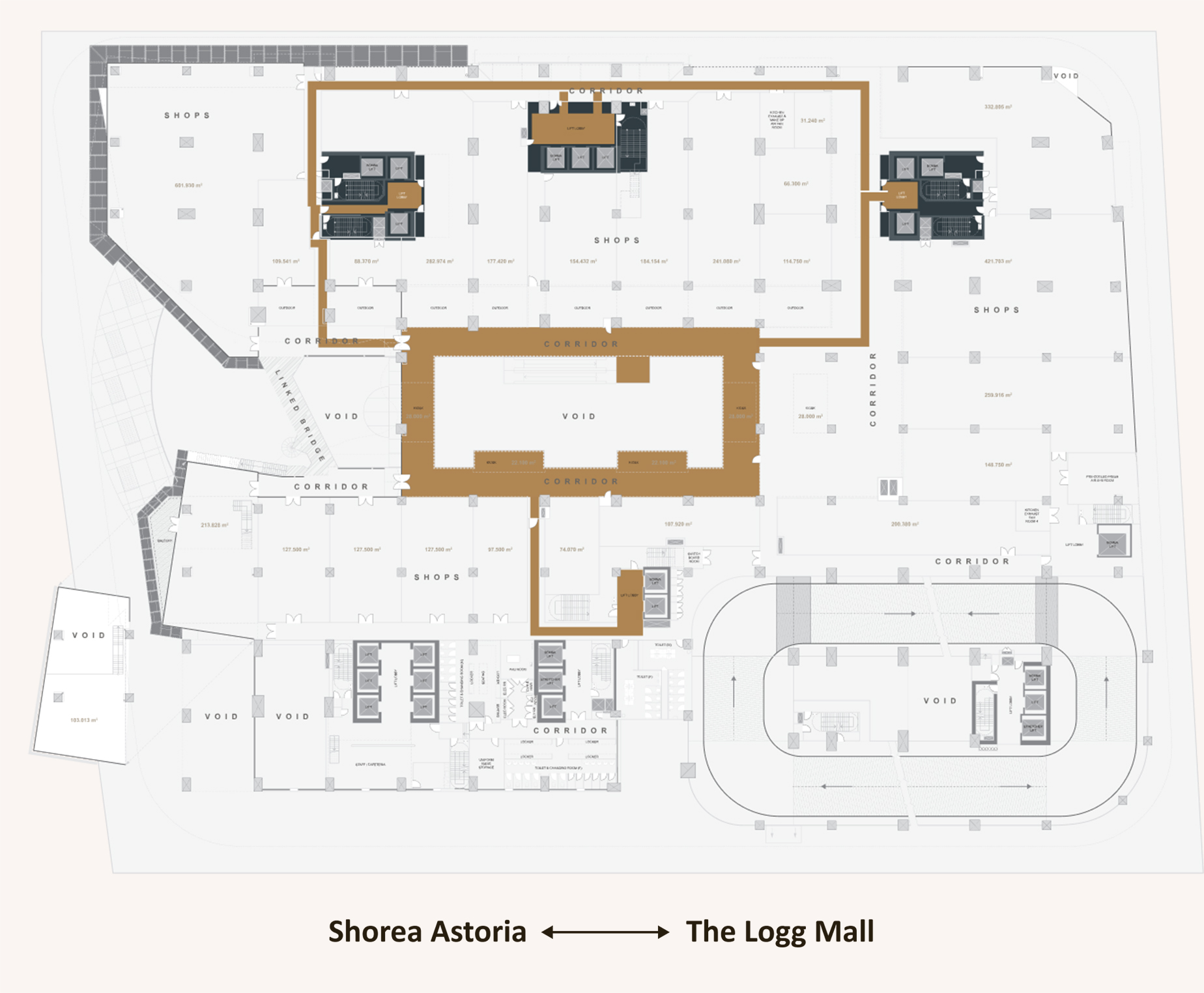
The distinction lies in integration. A residential tower built beside a shopping row is not necessarily mixed use in the fullest sense. A well-planned mixed use destination considers how people move between its components, how tenants support one another, where vehicles enter and park, how public areas feel throughout the day, and how security and privacy are maintained for residents.
For a homeowner, this can mean beginning the day with a short walk to a café or office, returning to a secure residential environment, and meeting friends for dinner without planning a cross-city journey. For businesses, it creates an immediate audience of residents, professionals, hotel guests and visitors. For investors, it introduces multiple demand drivers instead of reliance on one property type alone.
The Essential Parts of a Mixed Use Development
Every project has its own balance, but successful mixed use developments are often built around several complementary pillars. Residences provide a permanent community and a reliable daily catchment. Offices bring professionals and commercial activity during working hours. Retail and dining add convenience, energy and reasons to stay beyond a single appointment.
Hotels play a different but valuable role. They welcome business travellers, families on holiday and visiting professionals, giving the destination a hospitality presence that can support restaurants, meeting spaces and nearby businesses. Landscaped areas, shared facilities and thoughtfully designed arrival points then help turn separate buildings into a coherent place.
This combination does not mean every component is open to everyone at all times. Premium developments should create clear boundaries between public, commercial and private areas. Residents may expect controlled access to their homes and facilities, while retail visitors need intuitive routes, comfortable drop-off areas and sufficient parking. The best schemes make this feel natural, not complicated.
Why Mixed Use Living Has Become More Valuable
Time is a premium urban resource. In a growing city, repeated journeys between home, workplace, schools, shops and social commitments can shape the quality of everyday life as much as a property’s interior finish. A mixed use development does not remove the need to travel altogether, but it can reduce unnecessary trips and make daily routines more efficient.
There is also a social advantage. Standalone office districts can become quiet after business hours, while isolated residential enclaves may offer little reason to remain nearby on weekends. By contrast, a balanced live-work-leisure environment can sustain activity across the day. Morning coffee, lunchtime meetings, evening dining and weekend errands each contribute to a destination that feels active without needing to feel overcrowded.
For families and professionals, the value often comes down to choice. A resident may work from home one day, host a client meeting nearby the next, and use the same address as a convenient base for leisure. This flexibility is particularly relevant for entrepreneurs, business owners and executives whose schedules do not always follow a traditional office routine.
What Buyers and Investors Should Look For
Not all mixed use projects deliver the same experience. The quality of the masterplan matters more than the number of uses listed in a brochure. Buyers should first consider whether the development is genuinely connected. Are the residences, offices, retail spaces and hotel designed as part of one destination, with practical access between them? Or are they simply neighbouring buildings with separate entrances and limited interaction?
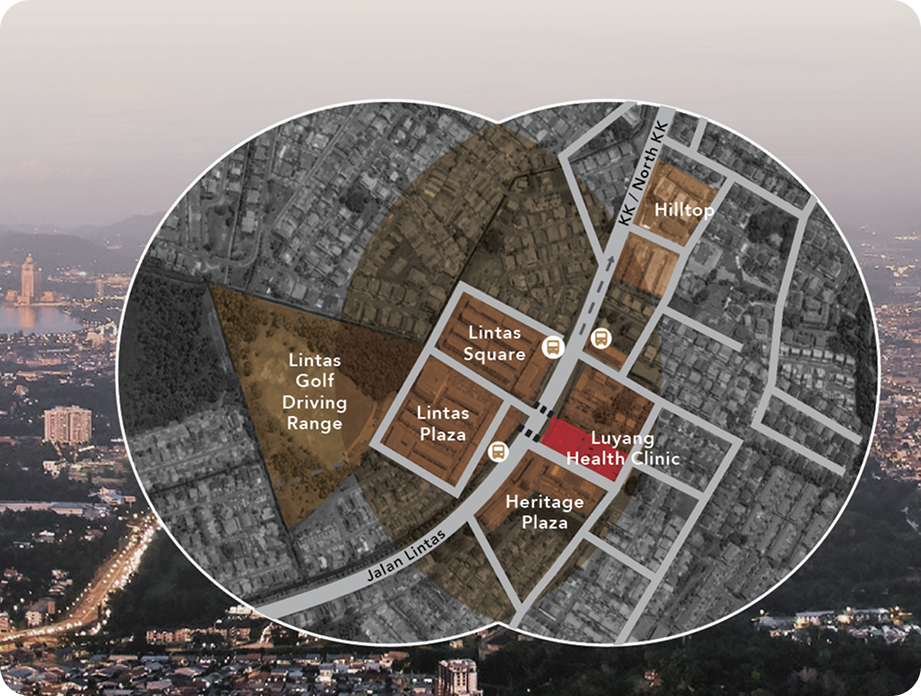
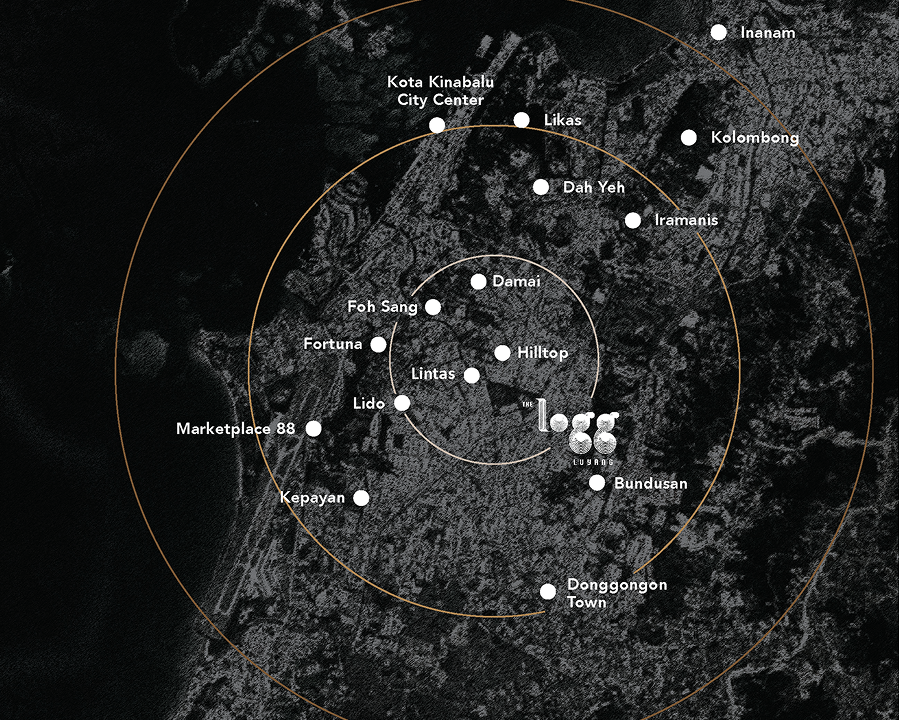
Location remains equally important. A well-connected address near the city centre, airport routes, healthcare, schools and established commercial areas can make a significant difference to both liveability and future demand. In Kota Kinabalu, a central Luyang position can offer a practical balance: close enough to key urban destinations while providing the convenience of a consolidated lifestyle hub.
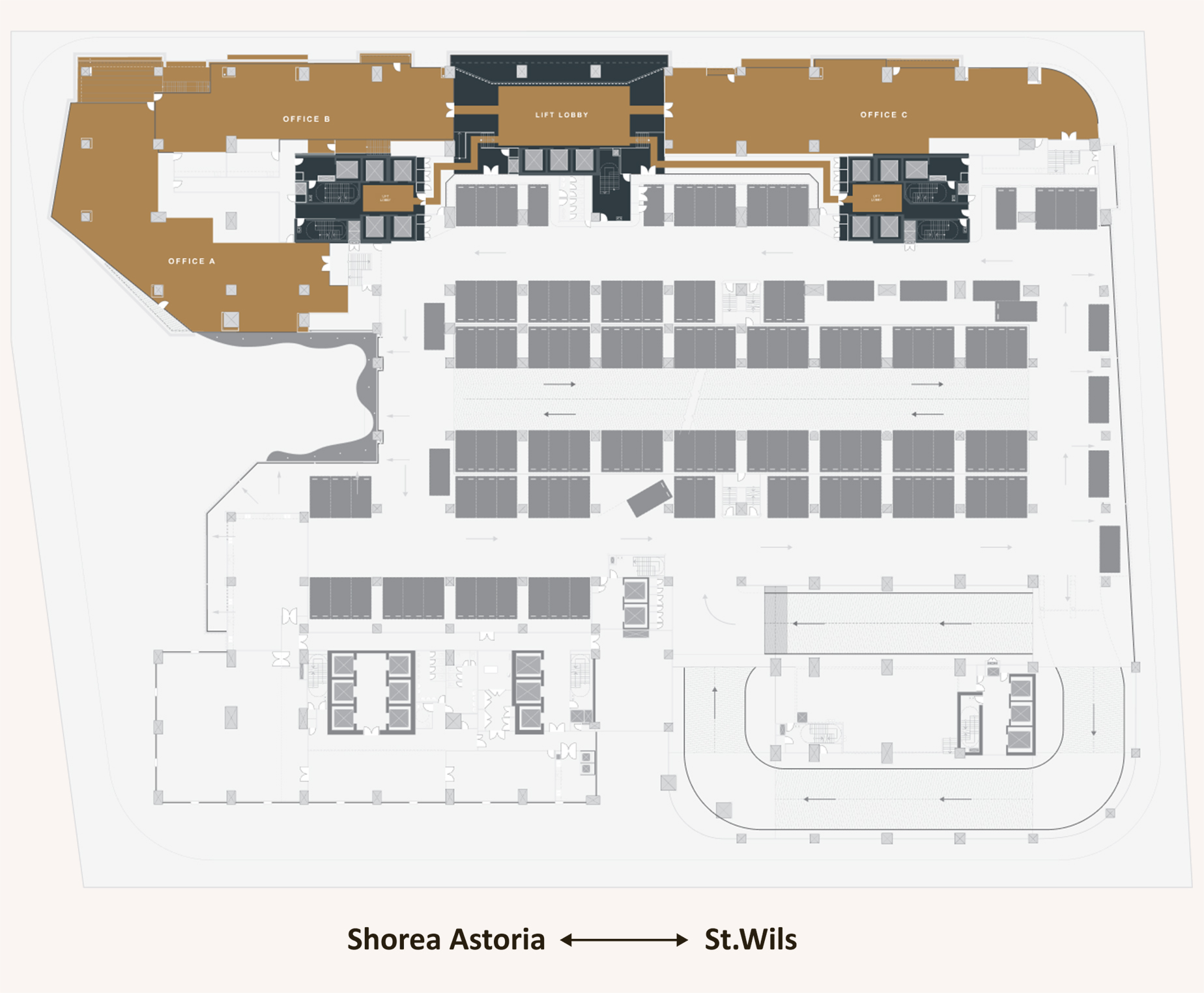
Parking and traffic management deserve close attention. Mixed use developments attract different users at different times, from residents returning in the evening to office staff arriving in the morning and diners visiting at night. Adequate parking capacity, separate access arrangements where appropriate, pedestrian safety and clear circulation routes are not minor details. They influence how comfortable the development feels every day.
Buyers should also examine the residential proposition on its own terms. Unit size, layout efficiency, natural light, views, lift provision, security and facilities should stand up to scrutiny even before the retail and hospitality advantages are considered. A mixed use address should enhance a home, not compensate for a poorly planned one.
For investors, it is worth assessing the range of demand the project can attract. Residential buyers may value convenience and prestige, while tenants may be drawn by proximity to workplaces, dining and daily services. Commercial tenants benefit from visible footfall, but they will also look at the strength of the surrounding catchment, leasing strategy and the project’s ability to remain relevant over time. Hotel operations can add another layer of activity, particularly where the destination is supported by a recognised hospitality standard.
The Trade-Offs to Consider
Mixed use living is not identical to living in a quiet, low-density residential enclave. More activity can mean more people, especially around retail areas, restaurants and hotel arrival points. The answer is not to avoid activity altogether, but to choose a development where planning protects residential calm through thoughtful zoning, access control and building orientation.
Service charges may also reflect the scale of shared infrastructure and premium facilities. Buyers should understand what is included, how common areas will be maintained and whether the management structure is equipped to oversee a more complex destination. Strong upkeep is essential because the appearance and operation of retail, public areas and residential spaces all influence the long-term perception of value.
Retail composition is another factor. A carefully curated mix of useful services, quality dining and lifestyle offerings can strengthen the address. An unfocused tenant mix may have less lasting appeal. It depends on whether the development has a clear identity, the right scale for its location and an operator committed to maintaining standards.
A Kota Kinabalu Model for Connected Urban Living
For Kota Kinabalu’s evolving property market, mixed use development reflects a shift from buying an individual unit to choosing a complete urban setting. At The Logg in Luyang, residences, executive suites, premium offices, lifestyle retail, dining, parking and the four-star Avani Hotel are planned as interconnected parts of one destination. This approach gives residents and professionals access to the places that support their day without the usual friction of moving across the city.
Its residential offering, including Parkhill’s 39-storey tower with 250 homes sized from 620 to 850 sq ft, sits within a broader ecosystem rather than an isolated condominium model. The proposition is not simply proximity. It is the ability to live near workplace opportunities, welcome guests close by, enjoy considered dining and retail options, and return to a private home within a professionally planned environment.
A mixed use development is ultimately a decision about how you want your time and surroundings to work for you. Look beyond the promise of convenience and assess the masterplan, location, management and quality of each component. When these elements are aligned, a property becomes more than a place to own – it becomes a more considered way to live, work and connect.